
Call us now :08045811849
 Send Inquiry
 Send Inquiry
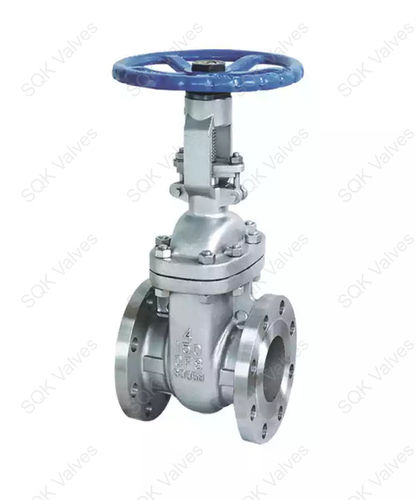
SQK Jacketed Gate Valve
MOQ : 5 Units
SQK Jacketed Gate Valve Specification
- Structure
- Gate
- Sealing
- Metal to Metal
- Size
- 1/2 to 12
- Connection
- Flanged
- Material
- Cast Steel / Stainless Steel
- Type
- Jacketed Gate Valve
- Power Source
- Manual
- Pressure
- Class 150/300/600
- Media
- Oil, Gas, Steam, Chemicals
- Working Temperature
- Up to 350C
- Port Size
- DN15 to DN300
- Surface
- Polished
- Shape
- Straight
- Jacket Material
- Carbon Steel / Stainless Steel
- Seat Test Pressure
- 1.1 times rated pressure
- Design
- Full Bore, Bidirectional
- Face to Face Dimension
- As per ASME B16.10
- End Connection
- Raised Face Flanged (RF)
- Body Test Pressure
- 1.5 times rated pressure
- Application
- For heating and maintaining process media temperature
- Operation
- Handwheel / Gear Operated
- Standard
- ASME, DIN, EN
- Bonnet Type
- Bolted Bonnet
SQK Jacketed Gate Valve Trade Information
- Minimum Order Quantity
- 5 Units
- Supply Ability
- 200 Units Per Month
- Delivery Time
- 7 Days
About SQK Jacketed Gate Valve
API 600 Gate Valves are distinguished by their robustness, durability, and quality with a reputation for reliability, integrity, and long service life.
The seals are designed for tight sealing and ease of use. Depending on the pressure rating, valves are available with flanged & butt-weld ends, and can be made from a variety of materials.
Wedges of this design feature an outside screw and yoke assembly and a bolted-bonnet. The valves comply with API 600.
Main features of SQK Jacketed Gate Valve:
- The body-bonnet is bolted, the seals are welded, and the valves have pressure-sealing bonnets
- Gate and globe valves with bellows-sealed seals are available
- For maximum protection from leaks, body-bonnet joints are fitted with stainless steel gaskets and graphite fillers
- Gate valves with T-head stem-disc connections fully meet API 602 and API 598 requirements
- The stem features a rolled ACME thread for smooth operation
- On the stem, the shoulder is tapered for back seating
- The gland assembly has self-aligning studs and nuts for tightening
- Seat for globe and check valves with integral hard-faced body
- Electrical actuators are available for gate and globe valves
- Inspiring optimal impact resistance, low heat loss and excellent corrosion resistance from austenitic SS forgings for cryogenic valve bodies and bonnets
- We offer NACE MR-0175 valves and other NACE requirements as well
Optimal Thermal Regulation
Designed to maintain media temperature, the SQK Jacketed Gate Valve utilizes a carbon steel or stainless steel jacket. This facilitates efficient heating or cooling, making it ideal for processes that require thermal stability, such as in chemical and petrochemical plants.
Robust Construction and Wide Compatibility
Meeting ASME, DIN, and EN standards, this valve features a polished, straight body, full bore design, and bidirectional flow. Its flanged ends, bolted bonnet, and metal-to-metal sealing ensure tight connections and durability, suitable for demanding industrial settings.
Versatile Application Range
Handling temperatures up to 350C and pressure ratings spanning Class 150/300/600, this valve is suitable for oil, gas, steam, and chemical media. Available in multiple sizes, it is an essential component for industries requiring reliable and efficient process control.
FAQ's of SQK Jacketed Gate Valve:
Q: How does the jacketed design benefit temperature-sensitive processes?
A: The jacketed construction allows for external heating or cooling media to circulate around the gate valve body, effectively maintaining the temperature of process media and preventing solidification or viscosity increase.Q: What media can the SQK Jacketed Gate Valve handle safely?
A: This valve is suitable for oil, gas, steam, and various chemicals, making it versatile for applications in the chemical, petrochemical, and process industries.Q: When should I select a handwheel instead of a gear-operated valve?
A: Choose handwheel operation for smaller sizes (lower torque), while gear-operated types are preferable for larger valves or when frequent or precise control is needed.Q: Where is this valve typically installed in a processing system?
A: It is commonly installed on pipelines carrying fluids that require temperature maintenance, such as near heat exchangers, reactors, or in lines handling viscous or solidifying materials.Q: What is the process to ensure proper sealing after installation?
A: After installation, conduct a body test at 1.5 times the rated pressure and a seat test at 1.1 times the rated pressure, as per industry standards, to confirm leak-proof performance.Q: How do I determine the appropriate port size for my application?
A: Select a port size (DN15 to DN300, 1/2" to 12") based on the pipeline diameter and flow requirements, ensuring compliance with ASME B16.10 face-to-face dimensions for compatibility.Q: What are the main benefits of choosing the SQK Jacketed Gate Valve for industrial use?
A: Key benefits include excellent thermal regulation, robust sealing, compatibility with various standards, and suitability for a wide range of demanding temperature and pressure conditions.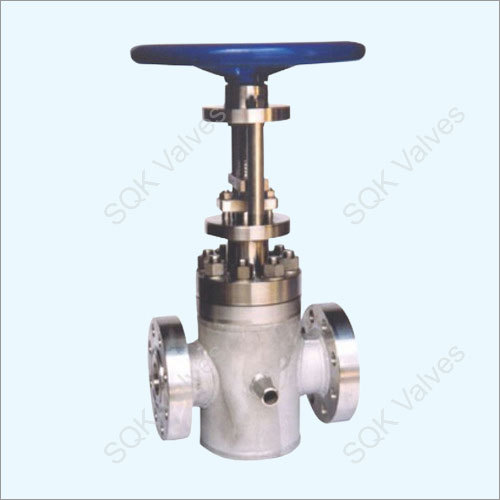
Tell us about your requirement

Price:
Quantity
Select Unit
- 50
- 100
- 200
- 250
- 500
- 1000+
Additional detail
Mobile number
Email

More Products in Gate Valves By Materials Category
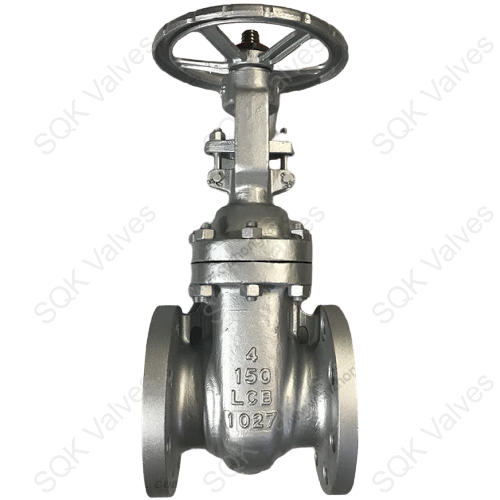
SQK A352 LCC Carbon Steel Gate Valve
Price Range 5000.00 - 30000.00 INR / Unit
Minimum Order Quantity : 5 Units
Sealing : Metal to Metal
Structure : Other, Bolted Bonnet
Pressure : Other, Class 150 to 600 (PN16 to PN100)
Connection : Other, Flanged Ends
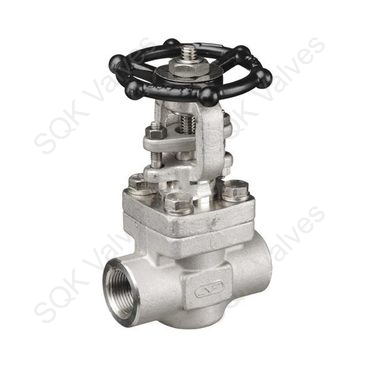
SQK A182 F321 Stainless Steel Gate Valve
Price Range 5000.00 - 30000.00 INR / Unit
Minimum Order Quantity : 5 Units
Sealing : PTFE / Metal to Metal
Structure : Other, Bolted Bonnet
Pressure : Other, Class 150/300/600 LB, PN16PN100
Connection : Other, Flanged / Butt Weld / Socket Weld / Threaded
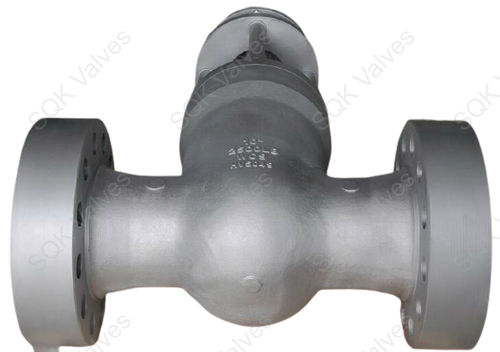
SQK A217 WC9 Cast Alloy Steel Gate Valve
Price Range 5000.00 - 30000.00 INR / Unit
Minimum Order Quantity : 5 Units
Sealing : Metal to Metal
Structure : Other, Bolted Bonnet
Pressure : Other, Class 150 to Class 2500
Connection : Other, Flanged / Butt Weld
SQK A216 WCB Cast Carbon Steel Gate Valve
Price Range 5000.00 - 30000.00 INR / Unit
Minimum Order Quantity : 5 Units
Sealing : Metal to Metal
Structure : Other, Bolted Bonnet
Pressure : Other, Class 150/300/600
Connection : Other, Flanged

 Send Inquiry
Our Products
- Globe Valve
- Globe Valve By Construction
- Globe Valve By End Connection
- Globe Valves By Design
- Globe Valves By Materials
- Globe Valves
- Plug Valves
- Plug Valves By Construction
- Plug Valves By End Connection
- Plug Valve By Design
- Plug Valves By Materials
- Plug Valve By Class
- Ball Valve
- Ball Valves
- Ball Valves By End Connection
- Ball Valves
- Ball Valves By Material
- Ball Valve By Class - Pressure Rating
- Gate Valve
- Gate Valves By Construction
- Gate Valves By End Connection
- Gate Valves By Design
- Gate Valves By Materials
- Gate Valves By Class
- Piston Valve
- Check Valve
- Swing Check Valves By Construction
- Swing Check Valves By End Connection
- Swing Check Valves By Design
- Swing Check Valves By Materials
- Swing Check Valves By Class
- Piston Valves By Construction
- Piston Valves By End Connection
- Piston Valve By Design
- Piston Valves By Materials
- Piston Valve By Class


Plot No. 46 & 49, Survey No. 62/1, Behind New Ekta Weighing Bridge, Panvel Road, Dahisar Mori, near Taloja MIDC,Navi Mumbai - 400612, Maharashtra, India

Mr Saquib Khan
(Director )
Mobile :08045811849
 Send Inquiry
 Send SMS
Developed and Managed by Infocom Network Private Limited.
 English
 Spanish
 French
 German
 Italian
 Chinese (Simplified)
 Japanese
 Korean
 Arabic
 Portuguese