
Call us now :08045811849
 Send Inquiry
 Send Inquiry
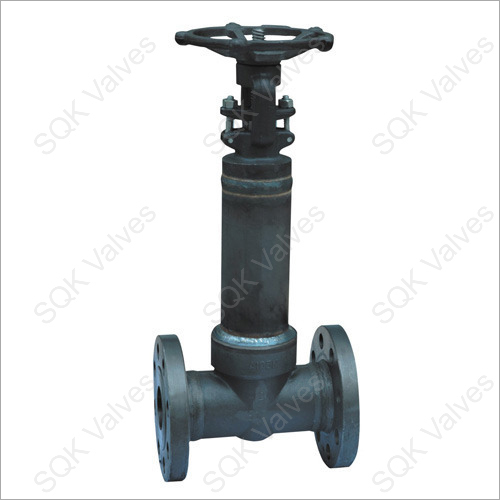
Flexible Wedge Gate Valve
MOQ : 5 Units, ,
Flexible Wedge Gate Valve Specification
- Structure
- Flexible Wedge
- Size
- 2 inch to 24 inch
- Connection
- Flanged / Butt Welded
- Sealing
- EPDM / NBR
- Material
- Cast Iron / Ductile Iron / WCB / Stainless Steel
- Type
- Flexible Wedge Gate Valve
- Power Source
- Manual
- Pressure
- PN10, PN16, PN25
- Media
- Water, Oil, Gas, Steam
- Working Temperature
- -10C to 120C
- Port Size
- 50 mm to 600 mm
- Surface
- Coated
- Shape
- Round
- Corrosion Resistance
- Yes
- Body Test Pressure
- 1.5 x rated pressure
- Operation Temperature Range
- As per Material Selection
- Actuation Type
- Handwheel, Gear Operated, Electric, or Pneumatic
- Flow Direction
- Bidirectional
- Hydrostatic Test
- Yes
- Bonnet Type
- Bolted Bonnet
- Stem Type
- Rising / Non-Rising Stem
- Painting
- Epoxy Coated (optional)
- Face to Face
- ANSI B16.10 / EN 558
- End Connection
- Flanged / BW / SW
- Packing
- Graphite / PTFE
- Application
- Industrial, Marine, HVAC, Water Treatment
Flexible Wedge Gate Valve Trade Information
- Minimum Order Quantity
- 5 Units, ,
- Supply Ability
- 200 Units, , Per Month
- Delivery Time
- 7 Days
About Flexible Wedge Gate Valve
We are instrumental in supplying the best in class Flexible Wedge Gate Valve that is a precision industrial tool designed and developed in our ultra-advanced production division. The tool is typically used to control the flow of fluids, fluids distribution, pressure regulation, and other processing jobs. Due to its superior design and reliable performance, we are experiencing a huge demand for the gate valve in the marketplace. Flexible Wedge Gate Valve does not degrade in quality or become inferior in the long run. Our customers can get the product from us at a cost-effective price.
The API 600 Gate Valves is exceptionally sturdy, rugged, and durable, with a reputation for quality, integrity, and long service.
They are designed for tight sealing and ease of operation. The valves are available flanged & butt-weld ends in pressure rating from ASME Class 150 to Class 2500, and in a variety of materials of construction.
Gate Valves are of flexible wedge design, outside screw and yoke, and bolted-bonnet construction. The valves conform to API 600.
Main features :
- Bolted body-bonnet design, seal welded & Valves with pressure seal bonnet
- Bellows-sealed Gate and Globe valves available
- Bolted body-bonnet joints provided with spiral-wound stainless steel gasket and graphite
- filler for maximum protection against leaks
- Die-formed graphite inner packing rings and braided graphite end rings with Inconel wire
- reinforcement and corrosion inhibitor
- T-head stem-disc connection of gate valve fully meets strength requirements of API 602 and API 598
- Rolled ACME thread on stem for smooth operation
- Tapered shoulder on the stem for back seating
- Self-aligning type gland assembly with stud-and-nut tightening
- Integral hard-faced body seat for globe and check valves
- Spring-loaded disc on check valves suitable for no horizontal applications too
- Gate and globe valves can be offered with electrical actuators
- Austenitic SS forging for body and bonnet of Cryogenic valves, resulting in excellent impact strength, minimal heat loss and resistance to corrosion
- Valves can be offered to NACE MR-0175 and other special NACE requirements
Versatile End Connections for Seamless Integration
Choose from flanged, butt welded, or socket welded end connections to match your pipeline configuration. This flexibility simplifies installation and ensures compatibility with ANSI B16.10 or EN 558 face-to-face dimensions, making it easier for users to upgrade or replace valves in existing infrastructure without significant modifications.
Designed for Safety and Durability
Our flexible wedge gate valve is rigorously tested to 1.5 times its rated pressure and passes comprehensive hydrostatic tests to guarantee safe operation. The bolted bonnet and rising or non-rising stem options, paired with graphite or PTFE packing, enhance sealing performance and extend service life, even under demanding industrial conditions.
Reliable Performance Across Various Media and Applications
With EPDM or NBR sealing and epoxy coating for improved corrosion resistance, this valve is ideal for water, oil, gas, and steam systems. It is widely used in industrial, HVAC, marine, and water treatment settings, providing dependable flow isolation in environments where durability and flexibility are critical.
FAQs of Flexible Wedge Gate Valve:
Q: How is the flexible wedge gate valve installed in different pipeline systems?
A: The valve supports multiple end connection typesflanged, butt welded, and socket weldedmaking it adaptable to various pipeline systems. It conforms to ANSI B16.10 and EN 558 face-to-face dimensions, ensuring straightforward integration into established piping networks.Q: What is the benefit of choosing a flexible wedge design over a solid wedge?
A: A flexible wedge is less prone to thermal binding and stress-related issues, allowing it to maintain a superior seal even when exposed to temperature fluctuations or minor misalignments. This results in improved durability and long-term operational reliability.Q: When should I opt for a bolted bonnet and rising stem configuration?
A: You should choose a bolted bonnet for enhanced sealing and easy maintenance access. A rising stem is ideal when visual stem position indication is required during valve operation, which is especially beneficial in industrial settings for safe and accurate monitoring.Q: Where can this valve be utilized most effectively?
A: This valve is suitable for a wide range of applications, including industrial plants, marine systems, HVAC installations, and water treatment facilities. Its robust construction makes it reliable for controlling water, oil, gas, and steam media in diverse environments.Q: What is the hydrostatic testing process for this gate valve?
A: All valves are subjected to a hydrostatic test at 1.5 times the rated pressure to verify their integrity and leak-tight performance. This testing ensures that each unit meets stringent safety and reliability standards before deployment.Q: How does the optional epoxy coating enhance valve performance?
A: The optional epoxy coating provides an added layer of corrosion resistance, prolonging the lifespan of the valve in aggressive environments such as marine or water treatment applications, thereby reducing maintenance intervals and operational costs.Q: What actuation types are available and how are they selected?
A: This valve can be operated manually with a handwheel, by gear drive, or equipped with electric or pneumatic actuators. The choice of actuation depends on factors such as installation environment, required automation level, and system accessibility.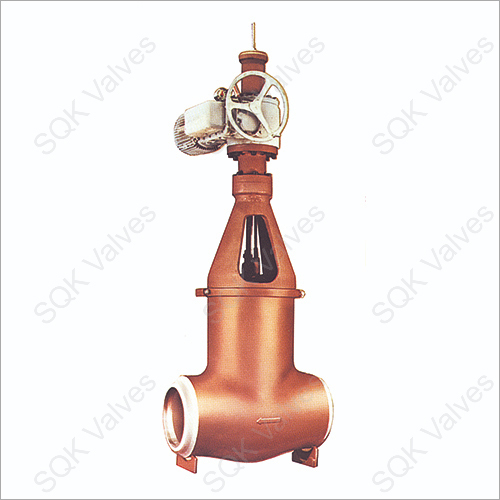
Tell us about your requirement

Price:
Quantity
Select Unit
- 50
- 100
- 200
- 250
- 500
- 1000+
Additional detail
Mobile number
Email

More Products in Gate Valves By Construction Category
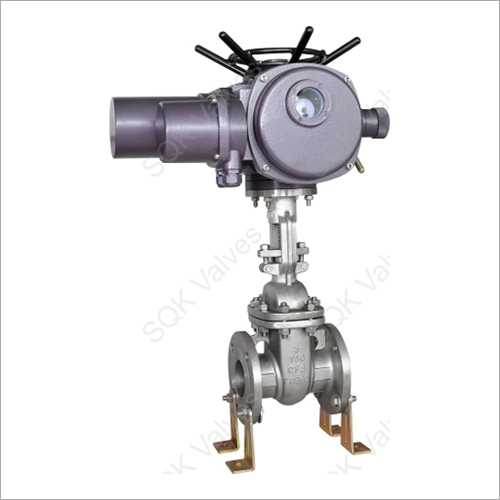
Electric Motor Operated Gate Valve
Price Range 5000.00 - 30000.00 INR / Unit
Minimum Order Quantity : 5 Units
Type : Other, Gate Valve
Surface : Painted
Structure : Other, Rising Stem
Media : Other, Water, Oil, Gas, Steam
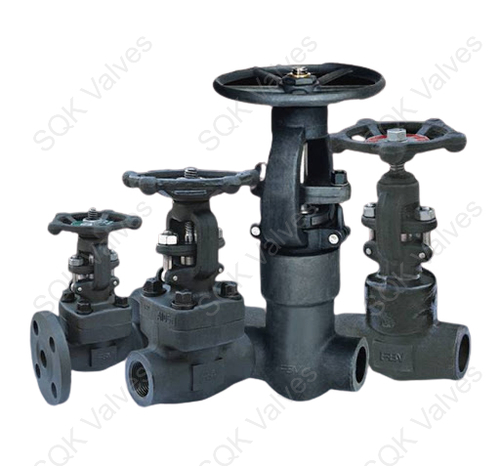
SQK Welded Bonnet Gate Valve
Price Range 5000.00 - 30000.00 INR / Unit
Minimum Order Quantity : 5 Units
Type : Other, Welded Bonnet Gate Valve
Surface : Corrosion Resistant Coated
Structure : Gate
Media : Other, Oil, Gas, Water, Steam
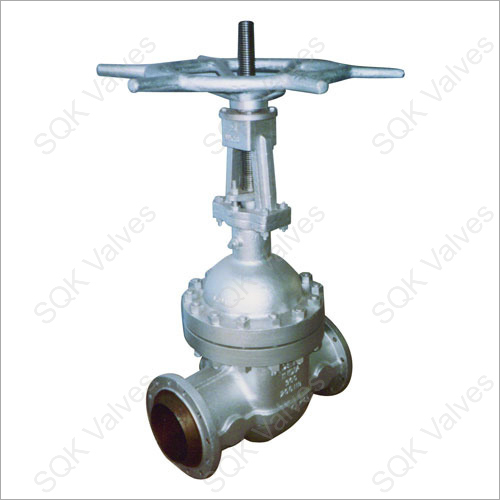
Hand Wheel Operated Gate Valve
Price Range 5000.00 - 30000.00 INR / Unit
Minimum Order Quantity : 5 Units
Type : Other, Gate Valve
Surface : Epoxy Coated/Red Painted
Structure : Other, Rising/Non Rising Stem
Media : Other, Water, Steam, Oil, Gas
Bellow Seal Gate Valve
Price Range 5000.00 - 30000.00 INR / Unit
Minimum Order Quantity : 5 Units
Type : Other, Gate Valve with Bellow Seal
Surface : Smooth, Anticorrosive
Structure : Other, Bellow Seal, Rising Stem
Media : Other, Steam, Oil, Gas, Water

 Send Inquiry
Our Products
- Globe Valve
- Globe Valve By Construction
- Globe Valve By End Connection
- Globe Valves By Design
- Globe Valves By Materials
- Globe Valves
- Plug Valves
- Plug Valves By Construction
- Plug Valves By End Connection
- Plug Valve By Design
- Plug Valves By Materials
- Plug Valve By Class
- Ball Valve
- Ball Valves
- Ball Valves By End Connection
- Ball Valves
- Ball Valves By Material
- Ball Valve By Class - Pressure Rating
- Gate Valve
- Gate Valves By Construction
- Gate Valves By End Connection
- Gate Valves By Design
- Gate Valves By Materials
- Gate Valves By Class
- Piston Valve
- Check Valve
- Swing Check Valves By Construction
- Swing Check Valves By End Connection
- Swing Check Valves By Design
- Swing Check Valves By Materials
- Swing Check Valves By Class
- Piston Valves By Construction
- Piston Valves By End Connection
- Piston Valve By Design
- Piston Valves By Materials
- Piston Valve By Class


Plot No. 46 & 49, Survey No. 62/1, Behind New Ekta Weighing Bridge, Panvel Road, Dahisar Mori, near Taloja MIDC,Navi Mumbai - 400612, Maharashtra, India

Mr Saquib Khan
(Director )
Mobile :08045811849
 Send Inquiry
 Send SMS
 Call Me Free
Developed and Managed by Infocom Network Private Limited.
 English
 Spanish
 French
 German
 Italian
 Chinese (Simplified)
 Japanese
 Korean
 Arabic
 Portuguese