
Call us now :08045811849
 Send Inquiry
 Send Inquiry
Gear Operated Ball Valve
MOQ : 5 Units
Gear Operated Ball Valve Specification
- Connection
- Flanged
- Pressure
- PN16, PN25, Class 150 to 300
- Caliber
- Full Bore / Reduced Bore
- Channels
- 2-Way
- Structure
- Floating Ball / Trunnion Mounted
- Material
- Cast Iron / Cast Steel / Stainless Steel
- Power
- Manual Gear Operated
- Media
- Water, Oil, Gas, Steam
- Temperature of Media
- -20C to 200C
- Port Size
- 2 to 24
- Flange
- ANSI B16.5 / DIN Std
- Finish
- Epoxy Coated / Painted / Natural
- Application
- Industrial / Chemical / Oil & Gas / Water Treatment
- Size Range
- DN50 to DN600
- Seat Material
- PTFE / RPTFE / Metal Seated
- Fire Safe Design
- Available as per API 607
- Body Material Grade
- WCB / CF8 / CF8M
- Operation Type
- Quarter Turn
- Torque Requirement
- As per Valve Size & Application
- Design Standard
- API 6D / ISO 17292
- Face to Face Dimension
- ANSI B16.10
- End Connection
- Wafer / Lug / Butt Weld on request
- Actuator Mounting Pad
- ISO 5211
- Leakage Test
- 100% Tested as per API 598
Gear Operated Ball Valve Trade Information
- Minimum Order Quantity
- 5 Units
- Supply Ability
- 200 Units Per Month
- Delivery Time
- 7 Days
About Gear Operated Ball Valve
SQK Gear Operated Ball Valve
Size | 2" to 56" (50 mm to 1400 mm) |
ASME Class | Class 150 to 2500 |
Design Standard | API 6D |
Trunnion-mounted Ball Valve design complies to API 6D
Wide portfolio of Side-entry and Top-entry designs
Fugitive emissions
Soft and Metal seated valves complies to ISO 15848-1, Class AH and BH
Fire safe design - to API 607 and API 6FACE Marking
Meets requirements of Pressure Equipment Directive 2014/68/EU,
Pneumatic shell test conducted at 1.1 times rated pressure to check shell integrity, when required Double block and bleed (DBB) feature
Valves are designed and tested for automatic cavity relief
Anti-blowout stem design
Coil springs used for consistent seat loading and lower operating torque
Lip seals provided for low temperature services
Primary O ring and Secondary graphite (in 3 stage stem, thrust washer is primary)
Wide portfolio of Side-entry and Top-entry designs
Options: Buried service, Cryogenic
Offered with Electric, Pneumatic and Hydraulic Actuators
In-house Tests Capabilities
Precision Engineering and Build Quality
Crafted with premium grades such as WCB, CF8, and CF8M, these ball valves are suitable for demanding environments. The body and seat materials provide excellent corrosion resistance and withstand various media, including water, oil, gas, and steam, at temperatures from -20C to 200C.
Operational Versatility and Safety Features
Each valve operates on a reliable manual gear system requiring torque adjusted per application and valve size. Fire-safe designs comply with API 607, while 100% leakage testing using API 598 standards ensures safety and reliability in critical processes.
Customizable Connections and Sizes
Versatile end connections (wafer, lug, butt weld) and a broad size range (DN50 to DN600) enable integration across pipelines and systems. With flange standards (ANSI B16.5 / DIN) and finishes (epoxy, painted, natural), our valves suit diverse operational and aesthetic requirements.
FAQ's of Gear Operated Ball Valve:
Q: How is a gear operated ball valve used in industrial settings?
A: Gear operated ball valves are commonly used to control and isolate the flow of media such as water, oil, gas, and steam within industrial pipelines. The manual gear system allows precise operation and secure sealing, making them ideal for applications requiring reliable shut-off and regulation.Q: What are the benefits of choosing WCB, CF8, or CF8M body materials for these valves?
A: Selecting WCB, CF8, or CF8M grades ensures resistance to corrosion, high strength, and compatibility with various process fluids. These materials provide longevity and robust performance in harsh conditions, enhancing valve life and process safety.Q: When should fire-safe designed ball valves per API 607 be implemented?
A: Fire-safe ball valves should be used in facilities where there is a risk of fire or exposure to flammable materials. Compliance with API 607 guarantees that the valve maintains tight shut-off and performance even under fire conditions, protecting assets and personnel.Q: Where can these ball valves be installed regarding connection types?
A: These valves offer flexible installation with wafer, lug, butt weld, and flanged end connections compatible with ANSI B16.5 or DIN standards. This adaptability makes them suitable for numerous pipeline configurations in industrial, chemical, and oil & gas facilities.Q: What is the leakage testing process for these valves?
A: Each valve undergoes rigorous leakage testing in accordance with API 598 standards. This process verifies the integrity of the seat and body, ensuring zero leakage and reliable operation under specified pressure ranges (PN16, PN25, Class 150 to 300).Q: How is the required operating torque determined for these ball valves?
A: The operating torque is calculated based on valve size, bore type, pressure rating, and the specific application's media characteristics. This ensures smooth manual operation without compromising sealing performance, and can be tailored as per customer request.Q: What advantages are achieved with the valve's actuator mounting pad complying with ISO 5211?
A: An ISO 5211 actuator mounting pad allows for easy and standardized attachment of actuators, enabling future upgrades from manual to automated operation. This feature provides end-users with flexibility and efficiency in both installation and maintenance.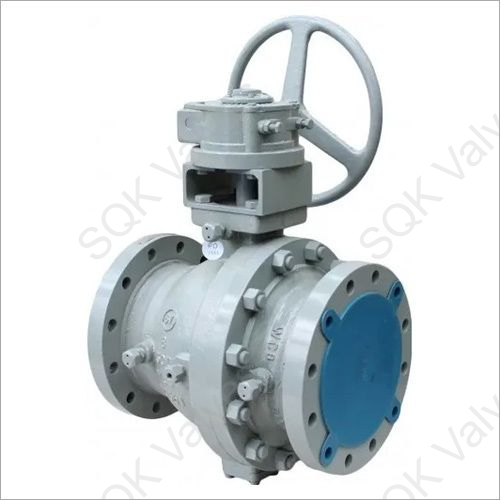
Tell us about your requirement

Price:
Quantity
Select Unit
- 50
- 100
- 200
- 250
- 500
- 1000+
Additional detail
Mobile number
Email

More Products in Ball Valves Category
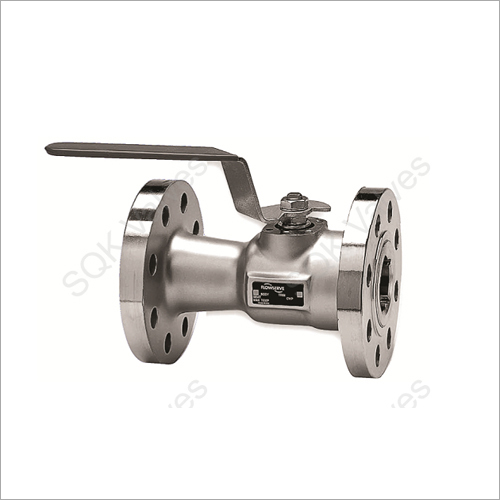
Single Piece Ball Valve
Price Range 5000.00 - 30000.00 INR / Unit
Minimum Order Quantity : 5 Units
Caliber : Full Bore
Finish : Polished
Material : Stainless Steel
Channels : 2 Way
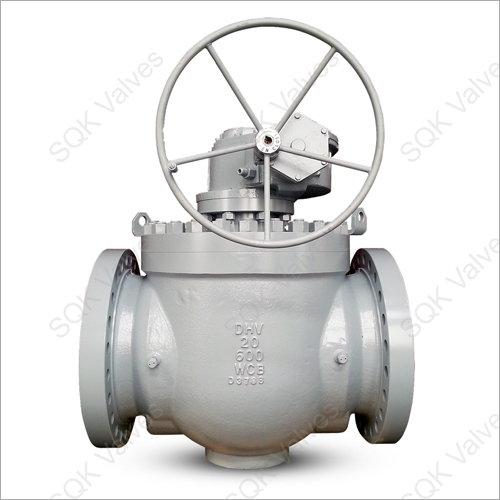
Top Entry Ball Valve
Price Range 5000.00 - 30000.00 INR / Unit
Minimum Order Quantity : 5 Units
Caliber : Full Bore / Reduced Bore
Finish : Anticorrosive Coated
Material : Other, Stainless Steel / Carbon Steel / Alloy Steel
Channels : Single Channel
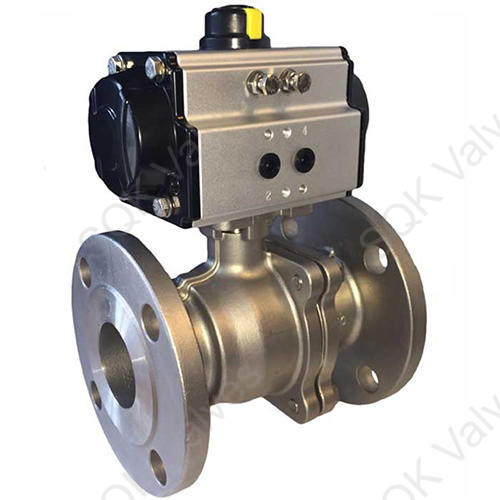
Pneumatic Actuator Ball Valve
Price Range 5000.00 - 30000.00 INR / Unit
Minimum Order Quantity : 5 Units
Caliber : Full Bore
Finish : Polished / Painted
Material : Other, Stainless Steel / Carbon Steel
Channels : 2 Way

L Port Ball Valve
Price Range 5000.00 - 30000.00 INR / Unit
Minimum Order Quantity : 5 Units
Caliber : Standard
Finish : Polished
Material : Other, Stainless Steel / Cast Iron / Brass
Channels : L Port

 Send Inquiry
Our Products
- Globe Valve
- Globe Valve By Construction
- Globe Valve By End Connection
- Globe Valves By Design
- Globe Valves By Materials
- Globe Valves
- Plug Valves
- Plug Valves By Construction
- Plug Valves By End Connection
- Plug Valve By Design
- Plug Valves By Materials
- Plug Valve By Class
- Ball Valve
- Ball Valves
- Ball Valves By End Connection
- Ball Valves
- Ball Valves By Material
- Ball Valve By Class - Pressure Rating
- Gate Valve
- Gate Valves By Construction
- Gate Valves By End Connection
- Gate Valves By Design
- Gate Valves By Materials
- Gate Valves By Class
- Piston Valve
- Check Valve
- Swing Check Valves By Construction
- Swing Check Valves By End Connection
- Swing Check Valves By Design
- Swing Check Valves By Materials
- Swing Check Valves By Class
- Piston Valves By Construction
- Piston Valves By End Connection
- Piston Valve By Design
- Piston Valves By Materials
- Piston Valve By Class


Plot No. 46 & 49, Survey No. 62/1, Behind New Ekta Weighing Bridge, Panvel Road, Dahisar Mori, near Taloja MIDC,Navi Mumbai - 400612, Maharashtra, India

Mr Saquib Khan
(Director )
Mobile :08045811849
 Send Inquiry
 Send SMS
Developed and Managed by Infocom Network Private Limited.
 English
 Spanish
 French
 German
 Italian
 Chinese (Simplified)
 Japanese
 Korean
 Arabic
 Portuguese