
Call us now :08045811849
 Send Inquiry
 Send Inquiry
SQK ENP Coating Ball Valve
MOQ : 5 Units
SQK ENP Coating Ball Valve Specification
- Caliber
- Full Bore
- Structure
- Ball
- Channels
- 2 Way
- Pressure
- Class 150/300/600, PN16/25/40
- Connection
- Flanged / Screwed
- Material
- Stainless Steel with Electroless Nickel Plating (ENP)
- Power
- Manual
- Media
- Temperature of Media
- -20C to 180C
- Port Size
- 1/2 to 12
- Flange
- ANSI, DIN, JIS Standard
- Finish
- Electroless Nickel Plated
- Application
- Industrial, Chemical, Petrochemical, Oil & Gas, Water Treatment
- Mounting Pad
- ISO 5211
- Body Test Pressure
- 30 Bar
- Seat Material
- PTFE
- Fire Safe Design
- Available
- End Connection
- Flanged
- Leakage Class
- Class VI
- Corrosion Resistance
- Excellent
- Seal Test Pressure
- 22 Bar
- Design Standard
- API 6D / BS EN ISO 17292
- Ball Material
- SS 304/316 with ENP coating
- Actuation Type
- Lever Operated
SQK ENP Coating Ball Valve Trade Information
- Minimum Order Quantity
- 5 Units
- Supply Ability
- 200 Units Per Month
- Delivery Time
- 7 Days
About SQK ENP Coating Ball Valve
SQK ENP Coating Ball Valve
Size | 2" to 56" (50 mm to 1400 mm) |
ASME Class | Class 150 to 2500 |
Design Standard | API 6D |
Main Feature
· Trunnion-mounted Ball Valve design complies to API 6D
· Wide portfolio of Side-entry and Top-entry designs
· Fugitive emissions
· Soft and Metal seated valves complies to ISO 15848-1, Class AH and BH
· Fire safe design - to API 607 and API 6FACE Marking
· Meets requirements of Pressure Equipment Directive 2014/68/EU,
· Pneumatic shell test conducted at 1.1 times rated pressure to check shell integrity, when required · Double block and bleed (DBB) feature
· Valves are designed and tested for automatic cavity relief
· Anti-blowout stem design
· Coil springs used for consistent seat loading and lower operating torque
· Lip seals provided for low temperature services
· Primary O ring and Secondary graphite (in 3 stage stem, thrust washer is primary)
· Wide portfolio of Side-entry and Top-entry designs
· Options: Buried service, Cryogenic
· Offered with Electric, Pneumatic and Hydraulic Actuators
· In-house Tests Capabilities
Robust Construction and Advanced Protection
Crafted from high-grade stainless steel (SS 304/316) and protected by electroless nickel plating, the SQK ENP Coating Ball Valve is engineered for durability in harsh environments. Its corrosion resistance stands out, making it ideal for chemical and industrial applications where reliability is critical.
Versatile Application Across Industries
With compatibility for a wide range of fluidswater, oil, gas, and morethis valve is well-suited for various industries, including petrochemical, water treatment, and oil & gas. The valves PTFE seat and fire-safe design further boost safety and performance.
Standards and Safety Compliance
Manufactured in accordance with API 6D and BS EN ISO 17292 standards, the valve is pressure tested up to 30 bar and offers leakage control to Class VI. It features ISO 5211 standard mounting pad and options for ANSI, DIN, and JIS flanges, ensuring universal fit and regulatory compliance.
FAQs of SQK ENP Coating Ball Valve:
Q: How does the ENP coating enhance the performance of the SQK ball valve?
A: The electroless nickel plating (ENP) on the stainless steel ball provides superior corrosion resistance and protects against wear. This ensures longer operational life and reliable performance, especially in harsh and corrosive environments common to oil & gas, chemical, and industrial sectors.Q: What is the recommended process for operating and maintaining this ball valve?
A: Operation is manual via lever actuation. Regular inspection of the valves body and seat is advised, especially after prolonged exposure to aggressive media. The ENP coating and PTFE seat are engineered for low maintenance; periodic lubrication and tightness checks further prolong valve lifespan.Q: When should this valve be chosen over other valve types?
A: This valve is ideal when full bore flow, excellent sealing (Class VI leakage), and high corrosion resistance are required. It excels in industrial, petrochemical, water treatment, and oil & gas applications where durability and safety are paramount.Q: Where can the SQK ENP Coating Ball Valve be installed?
A: The valve is suitable for installation in pipelines handling water, oil, gas, and other aggressive fluids across industrial, chemical, petrochemical, and water treatment plants. The design supports both flanged and screwed connections, facilitating diverse installation requirements.Q: What are the key usage benefits of the PTFE seat in this valve?
A: The PTFE seat provides excellent chemical resistance, low friction, and effective sealing. It helps ensure leak-tight operation (Class VI) even under high pressure and temperature variations, making the valve suitable for critical process environments.Q: What is the benefit of the ISO 5211 mounting pad on this valve?
A: The ISO 5211 mounting pad standardizes the interface for actuators, allowing for easy retrofit of automation solutions such as pneumatic or electric actuators, enhancing operational flexibility and enabling future upgrades without major modifications.
Tell us about your requirement

Price:
Quantity
Select Unit
- 50
- 100
- 200
- 250
- 500
- 1000+
Additional detail
Mobile number
Email

More Products in Ball Valves By Material Category

SQK Chromium Carbide Coating Ball Valve
Price Range 5000.00 - 30000.00 INR / Unit
Minimum Order Quantity : 5 Units
Port Size : 2 inch (Standard, customizable upon request)
Temperature of Media : 20C to 450C
Media : Other, Water, Oil, Gas, Acid
Caliber : DN50 (customizable)
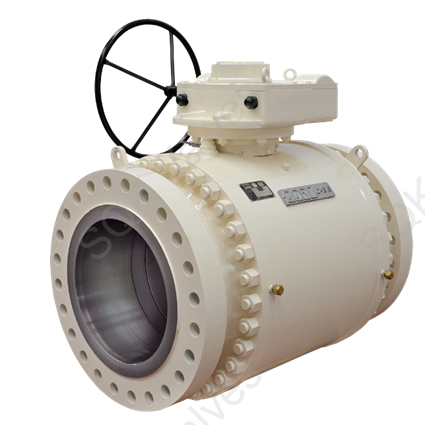
SQK TC Coating Ball Valve
Price Range 5000.00 - 30000.00 INR / Unit
Minimum Order Quantity : 5 Units
Port Size : 1/2 inch to 4 inch
Temperature of Media : Up to 180C
Media : Other, Water, Oil, Gas, Acid, Food Grade Media
Caliber : Standard
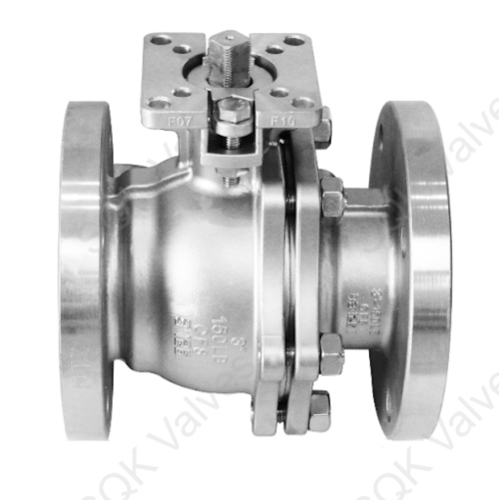
SQK A217 C5 Cast Alloy Steel Ball Valve
Price Range 5000.00 - 30000.00 INR / Unit
Minimum Order Quantity : 5 Units
Port Size : 2 Inch (50 mm)
Temperature of Media : Up to 600C
Media : Other, Water, Oil, Gas, Steam
Caliber : Standard
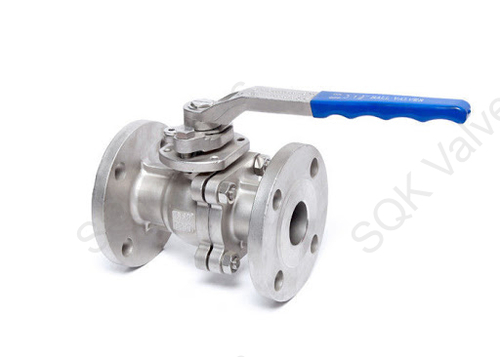
SQK A182 FSS304 Stainless Steel Ball Valve
Price Range 5000.00 - 30000.00 INR / Unit
Minimum Order Quantity : 5 Units
Port Size : 1/2 Inch
Temperature of Media : Medium Temperature
Media : Other, Water, Oil, Gas
Caliber : DN15

 Send Inquiry
Our Products
- Globe Valve
- Globe Valve By Construction
- Globe Valve By End Connection
- Globe Valves By Design
- Globe Valves By Materials
- Globe Valves
- Plug Valves
- Plug Valves By Construction
- Plug Valves By End Connection
- Plug Valve By Design
- Plug Valves By Materials
- Plug Valve By Class
- Ball Valve
- Ball Valves
- Ball Valves By End Connection
- Ball Valves
- Ball Valves By Material
- Ball Valve By Class - Pressure Rating
- Gate Valve
- Gate Valves By Construction
- Gate Valves By End Connection
- Gate Valves By Design
- Gate Valves By Materials
- Gate Valves By Class
- Piston Valve
- Check Valve
- Swing Check Valves By Construction
- Swing Check Valves By End Connection
- Swing Check Valves By Design
- Swing Check Valves By Materials
- Swing Check Valves By Class
- Piston Valves By Construction
- Piston Valves By End Connection
- Piston Valve By Design
- Piston Valves By Materials
- Piston Valve By Class


Plot No. 46 & 49, Survey No. 62/1, Behind New Ekta Weighing Bridge, Panvel Road, Dahisar Mori, near Taloja MIDC,Navi Mumbai - 400612, Maharashtra, India

Mr Saquib Khan
(Director )
Mobile :08045811849
 Send Inquiry
 Send SMS
Developed and Managed by Infocom Network Private Limited.
 English
 Spanish
 French
 German
 Italian
 Chinese (Simplified)
 Japanese
 Korean
 Arabic
 Portuguese