
Call us now :08045811849
 Send Inquiry
 Send Inquiry
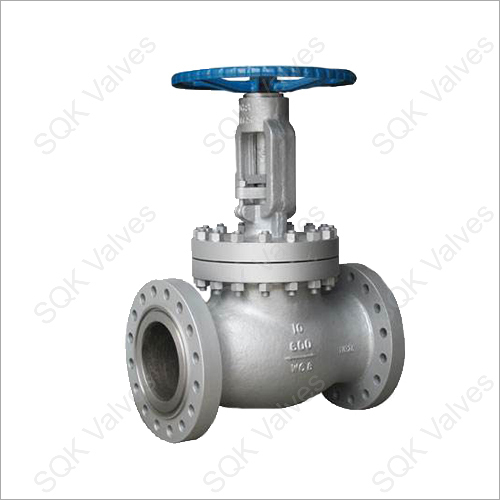
Hand Wheel Operated Globe Valve
MOQ : 5 Units
Hand Wheel Operated Globe Valve Specification
- Connection
- Flanged / Screwed
- Sealing
- Renewable / Metal to Metal
- Material
- Cast Iron / Cast Steel / Stainless Steel
- Power
- Manual
- Pressure
- PN16 / PN25 / PN40
- Media
- Water, Steam, Oil, Gas
- Working Temperature
- -10C to 220C
- Port Size
- 1/2 Inch to 12 Inch
- Surface
- Rust Resistant Painted
- Shape
- Round Body
- Application
- Industrial Pipeline System
- Color
- Blue / Silver
- Packing Material
- Graphite / PTFE
- Leakage Class
- Class VI / Tight Shut-Off
- End Connection
- Flanged (ANSI B16.5) / Threaded
- Stem Material
- Stainless Steel
- Operation
- Hand Wheel Operated
- Bonnet Type
- Bolted Bonnet
- Disc Type
- Plug / Parabolic / Needle
- Pressure Class
- Class 150 / 300 / 600
- Seat Test Pressure
- 1.1 x Working Pressure
- Body Test Pressure
- 1.5 x Working Pressure
- Standard
- DIN / ANSI / BS
- Face-to-Face Dimension
- As per ASME B16.10
- Flow Direction
- Bidirectional
Hand Wheel Operated Globe Valve Trade Information
- Minimum Order Quantity
- 5 Units
- Supply Ability
- 200 Units Per Month
- Delivery Time
- 7 Days
About Hand Wheel Operated Globe Valve
BS 1873 Globe Valves are notable for their durability, strength, and reliability, with a reputation for quality.
They are designed to seal tightly and operate easily. Valve ends are available flanged and buttweld, and pressure ratings range from ASME Class 150 to Class 2500. A variety of materials are used in their construction.
Globe valves have ball-type disc, outside screw-and-yoke assembly, and bolted bonnet. BS 1873 standards as well as API 600 requirements are met, including shell wall thickness and stuffing box dimensions.
Main features of Hand Wheel Operated Globe Valve:
- Bodies and bonnets are bolted and seals are welded while the bonnets of the valves offer pressure sealing
- There are bellows-sealed globe valves available
- Bolted body and bonnet joints include a spiral-wound stainless steel gasket and graphite filler for maximum leak protection
- Die-formed graphite inner packing rings as well as braided graphite end rings together with Inconel wire reinforcement and corrosion inhibitor
- The stem features a rolled ACME thread for smooth operation
- On the stem, the shoulder is tapered for back seating
- The gland assembly is self-aligning and fastened with studs and nuts
- A hard-faced body seat that can support globe and check valves
- With spring-loaded discs, these check valves are suitable for no horizontal applications
- Electrical actuators are available for gate and globe valves
- Stainless steel forging for body as well as bonnet of Cryogenic valves, which results in great impact strength, low heat loss and corrosion resistance
- NACE MR-0175 and other special NACE requirements are available for valves
ASME B16.34 Cast Steel T Type and Y Type Globe Valves with Pressure Seal Bonnet
ASME B16.34 T Type & Y Type Globe Valves are designed with a high-pressure bonnet to provide a tight seal. Thermal power plants, fertiliser plants, petrochemical plants and refineries extensively utilize these valves in steam, oil, gas, chemical, and water applications. Carbon steel and alloy steel valves are available in buttweld ends and come with pressure ratings of 900, 1500, and 2500.
Cast Steel Cryogenic Globe Valves
For low-temperature and cryogenic applications, globe valves with extended bonnets provide the perfect solution. There are various kinds of globe valves (as well as check valves) we supply for low temperature and cryogenic applications, including ethylene, LPG, LNG, hydrogen, helium, oxygen, nitrogen, and argon liquefied gases. Carbon steels like LCB and LCC can withstand temperatures as low as -460 C. ASME Class 150 to 1500 cryogenic globe valves are available. The extended bonnets are available according to BS 6364 and / or customer specifications.
Versatile Flow Control for Industrial Systems
Designed for use in industrial pipeline applications, these hand wheel operated globe valves control the flow of water, steam, oil, and gas effectively. They perform reliably under a range of pressures and temperatures, making them essential for industries requiring versatile and precise regulation.
Robust Construction for Longevity
With options for cast iron, cast steel, or stainless steel bodies, and corrosion-resistant exterior paint, these valves are built to withstand harsh operating environments. The stainless steel stem, renewable or metal-to-metal sealing, and bolted bonnet deliver added durability and low maintenance.
Flexible Standards and Connections
Complying with DIN, ANSI, and BS standards, these globe valves can be customized with either flanged (ANSI B16.5) or threaded connections to suit diverse system requirements. Face-to-face dimensions adhere to ASME B16.10, ensuring compatibility with existing pipeline infrastructure.
FAQ's of Hand Wheel Operated Globe Valve:
Q: How does the hand wheel operated globe valve control flow in industrial pipelines?
A: The valve uses a manually operated hand wheel to raise or lower the disc (plug, parabolic, or needle type), allowing precise adjustment of flow. This design enables both throttling and shut-off of water, steam, oil, or gas within various industrial pipeline systems.Q: What types of media can these globe valves handle safely?
A: These valves are suitable for water, steam, oil, and gas. The robust materials, such as cast iron, cast steel, and stainless steel, along with reliable packing materials (graphite or PTFE), ensure safe and efficient operation across a range of industrial fluids.Q: When should I choose flanged versus threaded end connections?
A: Flanged connections (ANSI B16.5) are ideal for larger pipelines (1/2"-12") or high-pressure applications, providing strong, leak-resistant seals. Threaded ends are better suited for smaller sizes or systems where quick installation and removal are important.Q: Where are these globe valves typically installed?
A: These valves are widely used in industrial facilities such as power plants, refineries, chemical plants, and water treatment systems. They are installed wherever precise flow regulation and tight shut-off are essential for safe, efficient operations.Q: What is the process for testing valve integrity and performance?
A: Each valve undergoes body testing at 1.5 times its working pressure and seat testing at 1.1 times the working pressure. This ensures that the valve meets stringent safety and performance standards, minimizing risk of leaks or failure during use.Q: How does the bidirectional flow design benefit pipeline operations?
A: Bidirectional flow allows the valve to be installed in either direction, offering flexibility in pipeline layouts. This feature simplifies maintenance and system design, reducing the need for specific orientation during installation.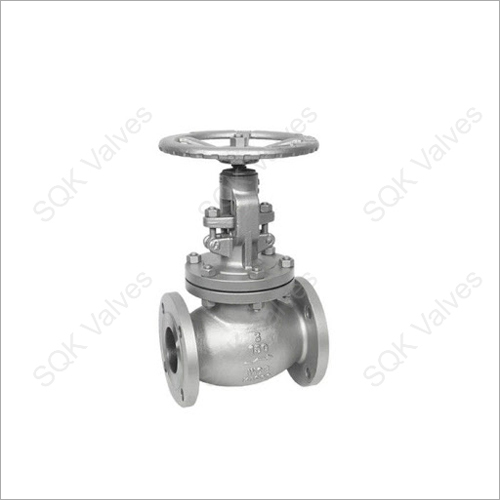
Tell us about your requirement

Price:
Quantity
Select Unit
- 50
- 100
- 200
- 250
- 500
- 1000+
Additional detail
Mobile number
Email

More Products in Globe Valve By Construction Category
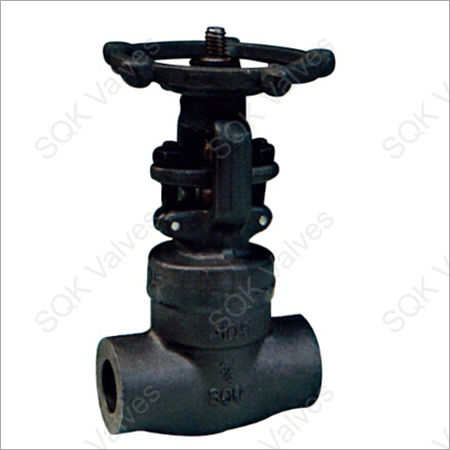
Welded Bonnet Globe Valve
Price Range 5000.00 - 30000.00 INR / Unit
Minimum Order Quantity : 5 Units, ,
Sealing : MetaltoMetal, PTFE
Pressure : Other, Class 150 to Class 2500
Material : Other , Carbon Steel, Stainless Steel
Connection : Other, Butt Welded
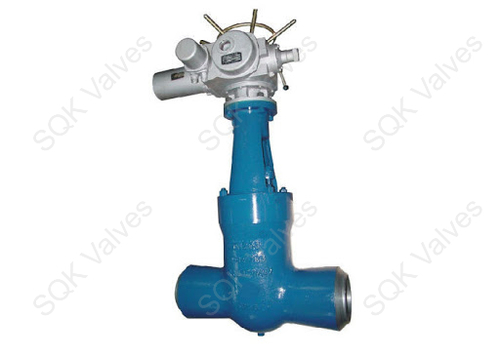
SQK Electric Motor Globe Valve
Price Range 5000.00 - 30000.00 INR / Unit
Minimum Order Quantity : 5 Units
Sealing : PTFE / Metal Seated
Pressure : Other, PN16, PN25, PN40
Material : Other , Cast Iron / WCB / CF8 / CF8M
Connection : Other, Flanged
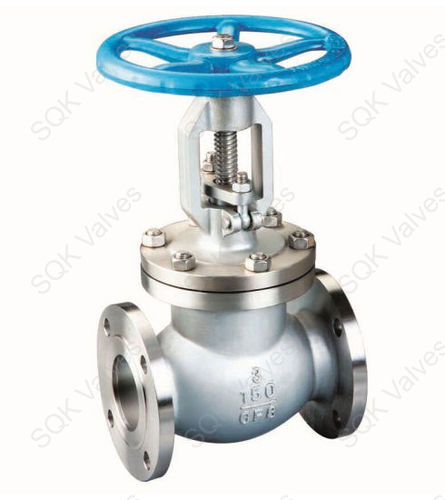
SQK Flexible Wedge Globe Valve
Price Range 5000.00 - 30000.00 INR / Unit
Minimum Order Quantity : 5 Units
Sealing : Flexible Wedge
Pressure : Other, PN16, PN25, PN40
Material : Other , WCB / Cast Iron / Stainless Steel
Connection : Other, Flanged / Butt Weld
Bolted Bonnet Globe Valve
Price Range 5000.00 - 30000.00 INR / Unit
Minimum Order Quantity : 5 Units
Sealing : MetaltoMetal / PTFE / Graphite
Pressure : Other, Class 150 to 600 (PN16 to PN100)
Material : Other , Carbon Steel / Stainless Steel / Alloy Steel
Connection : Other, Flanged Ends (ANSI B16.5/BS/DIN)

 Send Inquiry
Our Products
- Globe Valve
- Globe Valve By Construction
- Globe Valve By End Connection
- Globe Valves By Design
- Globe Valves By Materials
- Globe Valves
- Plug Valves
- Plug Valves By Construction
- Plug Valves By End Connection
- Plug Valve By Design
- Plug Valves By Materials
- Plug Valve By Class
- Ball Valve
- Ball Valves
- Ball Valves By End Connection
- Ball Valves
- Ball Valves By Material
- Ball Valve By Class - Pressure Rating
- Gate Valve
- Gate Valves By Construction
- Gate Valves By End Connection
- Gate Valves By Design
- Gate Valves By Materials
- Gate Valves By Class
- Piston Valve
- Check Valve
- Swing Check Valves By Construction
- Swing Check Valves By End Connection
- Swing Check Valves By Design
- Swing Check Valves By Materials
- Swing Check Valves By Class
- Piston Valves By Construction
- Piston Valves By End Connection
- Piston Valve By Design
- Piston Valves By Materials
- Piston Valve By Class


Plot No. 46 & 49, Survey No. 62/1, Behind New Ekta Weighing Bridge, Panvel Road, Dahisar Mori, near Taloja MIDC,Navi Mumbai - 400612, Maharashtra, India

Mr Saquib Khan
(Director )
Mobile :08045811849
 Send Inquiry
 Send SMS
 Call Me Free
Developed and Managed by Infocom Network Private Limited.
 English
 Spanish
 French
 German
 Italian
 Chinese (Simplified)
 Japanese
 Korean
 Arabic
 Portuguese