
Call us now :08045811849
 Send Inquiry
 Send Inquiry
Gate Valve Class 900
MOQ : 5 Units
Gate Valve Class 900 Specification
- Size
- Customized
- Sealing
- Metal to Metal
- Structure
- Bolted Bonnet
- Connection
- Flanged or Butt Weld
- Material
- Forged/Wrought Steel
- Type
- Gate Valve
- Power Source
- Manual
- Pressure
- Class 900 (2250 PSI)
- Media
- Water, Oil, Gas, Steam
- Working Temperature
- -29C to +425C
- Port Size
- 2 to 24
- Surface
- Smooth finished
- Shape
- Round
- Trim Material
- 13% Cr / SS 304 / SS 316
- Packing
- Graphite
- Face to Face
- ASME B16.10
- Test Standard
- API 598
- Seat Type
- Renewable seat
- Stem Type
- Rising / Non-Rising Stem
- Body Material
- ASTM A216 WCB, ASTM A351 CF8, CF8M (Options)
- End Connection
- RF/RTJ Flange or BW
- Operation
- Handwheel
- Application
- Petrochemical, Power, Oil Refinery, Process plants
- Bonnet Type
- Bolted
- Design Standard
- API 600 / ASME B16.34
Gate Valve Class 900 Trade Information
- Minimum Order Quantity
- 5 Units
- Supply Ability
- 200 Units Per Month
- Delivery Time
- 7 Days
About Gate Valve Class 900
Gate Valve Class 900
Main Features :
- Bolted body-bonnet design for valves up to Class 800, 1500, 2500, 4500. Valves with welded bonnet also available on request
- Screwed with a seal-welded body-bonnet design for valves of Class 1500,2500, 4500.
- Bellows-sealed Gate and Globe valves available in Class 800
- Bolted body-bonnet joints provided with spiral-wound stainless steel gasket and graphite filler for maximum protection against leaks
- Die-formed graphite inner packing rings and braided graphite end rings with Inconel wire reinforcement and corrosion inhibitor
- T-head stem-disc connection of gate valve fully meets strength requirements of API 602 and API 598
- Rolled ACME thread on stem for smooth operation
- Tapered shoulder on the stem for back seating
- Self-aligning type gland assembly with stud-and-nut tightening
- Integral hard-faced body seat for globe and check valves
- Spring-loaded disc on check valves suitable for no horizontal applications too
- Gate and globe valves can be offered with electrical actuators
- Austenitic SS forging for body and bonnet of Cryogenic valves, resulting in excellent impact strength, minimal heat loss and resistance to corrosion
- Valves can be offered to NACE MR-0175 and other special NACE requirements
Robust Construction for Critical Applications
Designed to handle high-pressure environments, this Class 900 gate valve is constructed from ASTM A216 WCB, CF8, or CF8M materials, ensuring compatibility with a broad range of media, including water, oil, gas, and steam. Its smooth surface finish and round shape promote efficient flow, while metal-to-metal sealing delivers superior leak resistance.
Versatile Installation and Operation
With options for rising or non-rising stems, RF/RTJ flanges or butt-weld connections, and a face-to-face dimension per ASME B16.10, the valve offers installation flexibility. The handwheel mechanism enables precise manual operation, while the renewable seat and graphite packing simplify maintenance even in continuous industrial service.
FAQ's of Gate Valve Class 900:
Q: How is the Gate Valve Class 900 operated in industrial settings?
A: The Gate Valve Class 900 is manually operated via a handwheel, allowing precise control of flow. Depending on the chosen configuration, the stem can be either rising or non-rising, accommodating varied installation requirements.Q: What materials are used in the construction of this valve, and how do they benefit specific applications?
A: This valve is built from ASTM A216 WCB for general purposes, or CF8/CF8M stainless steel for enhanced corrosion resistance. Trim materials include 13% Cr, SS 304, and SS 316, ensuring compatibility with water, oil, gas, and steam in harsh or corrosive environments.Q: When should a renewable seat design be selected for gate valves?
A: A renewable seat is ideal in applications where wear is frequent or maintenance access is limited. It allows easy seat replacement without removing the valve from the line, minimizing downtime during scheduled plant maintenance.Q: Where can this gate valve be installed within process industries?
A: These valves are commonly used in petrochemical plants, oil refineries, power generation facilities, and various process industries where high-pressure and high-temperature flow control is required.Q: What is the process for testing the Gate Valve Class 900 before commissioning?
A: Every valve undergoes rigorous testing as per API 598 standards, which include pressure, leakage, and operational tests to ensure integrity and performance before delivery and installation.Q: How does the bolted bonnet structure enhance valve performance and maintenance?
A: The bolted bonnet design provides a secure, reliable pressure boundary and facilitates easier access for maintenance, inspection, or internal parts replacement, thus extending the service life of the valve.Q: What are the benefits of using graphite packing in the valve stem arrangement?
A: Graphite packing offers excellent sealing performance under high temperatures and pressures. It minimizes stem leakage, resists chemical attack, and ensures reliable operation across a wide temperature range.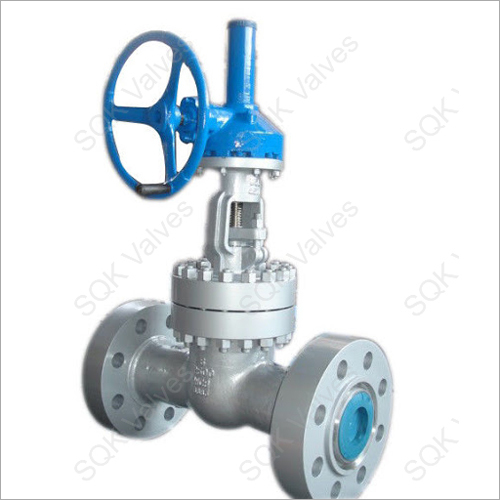
Tell us about your requirement

Price:
Quantity
Select Unit
- 50
- 100
- 200
- 250
- 500
- 1000+
Additional detail
Mobile number
Email

More Products in Gate Valves By Class Category
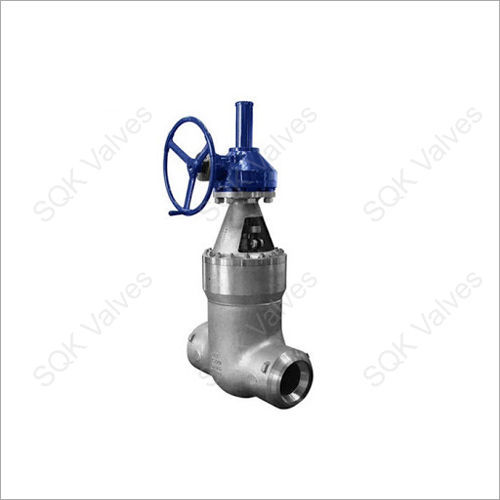
Class 2500 Gate Valve
Price Range 5000.00 - 30000.00 INR / Unit
Minimum Order Quantity : 5
Media : Other, Water, Oil, Gas, Steam
Structure : Other, Bolted Bonnet, Rising Stem
Type : Other, Gate Valve
Connection : Other, Flanged, Butt Weld
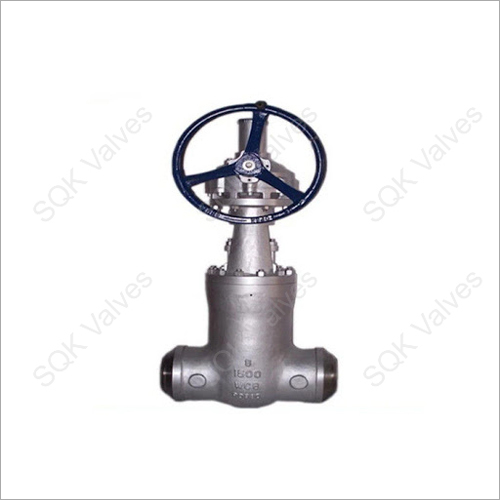
Class 1500 Gate Valve
Price Range 5000.00 - 30000.00 INR / Unit
Minimum Order Quantity : 5 Units
Media : Other, Water, Oil, Gas, Steam
Structure : Other, Bolted Bonnet
Type : Other, Gate Valve
Connection : Other, Flanged, Butt Welded
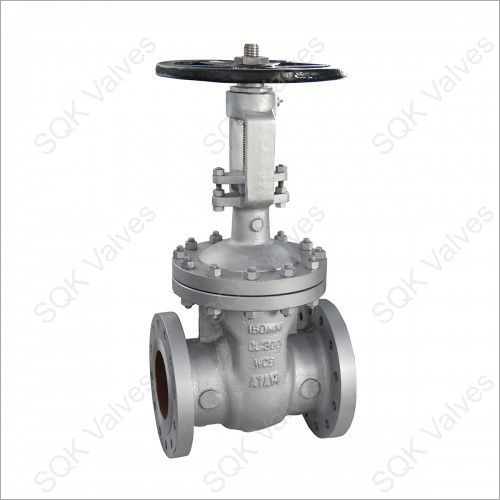
Class 600 Gate Valve
Price Range 5000.00 - 30000.00 INR / Unit
Minimum Order Quantity : 5 Units
Media : Other, Water, Oil, Gas, Steam
Structure : Other, Bolted Bonnet
Type : Other, Gate Valve
Connection : Other, Flanged
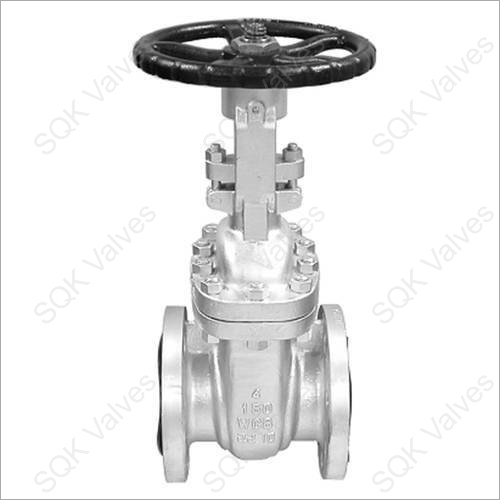
Gate Valve Class 150
Price Range 5000.00 - 30000.00 INR / Unit
Minimum Order Quantity : 5 Units
Media : Other, Water, Oil, Gas
Structure : Other, Rising Stem, NonRising Stem (Optional)
Type : Other, Gate Valve
Connection : Other, Flanged Ends

 Send Inquiry
Our Products
- Globe Valve
- Globe Valve By Construction
- Globe Valve By End Connection
- Globe Valves By Design
- Globe Valves By Materials
- Globe Valves
- Plug Valves
- Plug Valves By Construction
- Plug Valves By End Connection
- Plug Valve By Design
- Plug Valves By Materials
- Plug Valve By Class
- Ball Valve
- Ball Valves
- Ball Valves By End Connection
- Ball Valves
- Ball Valves By Material
- Ball Valve By Class - Pressure Rating
- Gate Valve
- Gate Valves By Construction
- Gate Valves By End Connection
- Gate Valves By Design
- Gate Valves By Materials
- Gate Valves By Class
- Piston Valve
- Check Valve
- Swing Check Valves By Construction
- Swing Check Valves By End Connection
- Swing Check Valves By Design
- Swing Check Valves By Materials
- Swing Check Valves By Class
- Piston Valves By Construction
- Piston Valves By End Connection
- Piston Valve By Design
- Piston Valves By Materials
- Piston Valve By Class


Plot No. 46 & 49, Survey No. 62/1, Behind New Ekta Weighing Bridge, Panvel Road, Dahisar Mori, near Taloja MIDC,Navi Mumbai - 400612, Maharashtra, India

Mr Saquib Khan
(Director )
Mobile :08045811849
 Send Inquiry
 Send SMS
Developed and Managed by Infocom Network Private Limited.
 English
 Spanish
 French
 German
 Italian
 Chinese (Simplified)
 Japanese
 Korean
 Arabic
 Portuguese