
Call us now :08045811849
 Send Inquiry
 Send Inquiry
Flange End Plug Valve
MOQ : 5 Units
Flange End Plug Valve Specification
- Connection
- Flanged Ends (ANSI, DIN, JIS Standards)
- Sealing
- PTFE, Nitrile Rubber, Metal to Metal
- Application
- Process Industry, Chemical Plants, Water Treatment, Oil & Gas
- Size
- 1/2 to 12 (DN15 to DN300)
- Material
- Cast Iron, Mild Steel, Stainless Steel, Alloy Steel
- Valve Structure
- Tapered Plug-Type
- Media
- Water, Oil, Gas, Steam
- Temperature of Media
- -10C to 180C
- Weight
- Varies by size (approx. 10 kg to 95 kg)
- Dimension (L*W*H)
- Varies by model and size
- Power Mode
- Manual
- Leakage Class
- ISO 5208 Rate A
- Body Coating
- Epoxy or Powder Coated
- Handle Type
- Lever or Gear Operated
- Testing Standard
- API 598 / EN 12266
- Flow Direction
- Bidirectional
- Pressure Rating
- PN10, PN16, Class 150, Class 300
- Body Cover Material
- Same as body or custom as per request
- Operation Type
- Quarter Turn
- Face to Face Dimension
- EN 558 Series 1/ANSI B16.10
- End Standard
- ANSI B16.5, DIN EN 1092-1
Flange End Plug Valve Trade Information
- Minimum Order Quantity
- 5 Units
- Supply Ability
- 200 Units Per Month
- Delivery Time
- 7 Days
About Flange End Plug Valve
Specification | Details |
Design Standard | API 6D / API 599 |
Pressure/Temperature Char | ASME B16.34 |
Face to face Dimension | API 6D / ASME B16.10 |
Testing Standard | API 6D / API 598 |
Flange Details | ASME B16.5 UP TO 24 ASME B16.47 ABOVE 24 |
Size Range | 2 36 (DN50 DN900) |
ASME Class | 150 2500 |
Materials | WCB / LCB / LCC / CF8M / CF8 / CF3M |
Trims | F6a / F316 / F304 / F316L / F51 |
Seats | Metallic |
Ends | Flanged / Butt-weld End |
Pressure balance lubricated plug valves are metal seated valves providing a tight shut off ( 0 leakage ) sealing, valves shall be regularly lubricated along with their operation by injection of suitable grease. Due to no body cavity and as well as a simple & tough design, they are highly recommended for any critical Full P operation and for handling any media with an high % of solids contents, further more they provide an excellent resistance to abrasion, they are free from routine maintenance, providing a long service life.
Product variance:
PRESSURE BALANCED FULL BORE LUBRICATED PLUG VALVES API 6D
PRESSURE BALANCED DB & B LUBRICATED PLUG VALVES API 6D
LUBRICATED PLUG VALVES STANDARD TYPE API 6D - 2 WAYS, 3 & 4 WAYS MULTIPORT
DUAL SEAL PLUG VALVES DB&B API 6D
PLUG VALVES TWO WAY, TREE WAY AND FULLY JACKETED
Production Range:
API6D ASME/ANSI 150 up to 2500 Lb
DN 1/2 to 48 Class: up to 600
DN 1/2 to 36 Class: up to 900
DN 1/2 to 24 Class: up to 150
Reliable Performance for Multiple Applications
Designed for use with a variety of media-water, oil, gas, and steam-the flange end plug valve delivers reliable isolation and flow control. Its durable structure and flexible sealing options make it ideal for harsh environments in chemical plants, process industries, and water treatment facilities. With manual operation, users can easily adjust flow using lever or gear mechanism, ensuring straightforward and safe handling during plant operation.
Compliant with International Standards
Quality and safety are ensured through strict adherence to international standards, including API 598, EN 12266 for testing, ISO 5208 Rate A for leakage, and end connections matching ANSI, DIN, and JIS requirements. Face-to-face dimensions follow EN 558 Series 1 or ANSI B16.10, simplifying installation and retrofitting into existing systems. Buyers benefit from a proven solution trusted by distributors, manufacturers, and exporters nationwide.
Customizable Structure and Material Options
Clients can specify the body and cover materials-cast iron, mild steel, stainless steel, or alloy steel-matching unique operational or environmental needs. Flexible body coatings (epoxy or powder) enhance the valve's corrosion resistance. The plug valve's design also allows the selection of sealing type tailored to medium and application, supporting long-term reliability and maintenance ease.
FAQ's of Flange End Plug Valve:
Q: How do I select the correct pressure rating for a flange end plug valve?
A: To choose the appropriate pressure rating (PN10, PN16, Class 150, Class 300), consider your system's operating pressure and the medium being handled. Consult with your engineering team and reference site-specific standards to ensure compatibility with existing infrastructure.Q: What materials are available for the body and cover of this plug valve?
A: Body and cover materials include cast iron, mild steel, stainless steel, and alloy steel. Custom materials can be requested to accommodate special chemical, temperature, or corrosion resistance needs for your application.Q: When is it advisable to use a tapered plug-type valve in process industries?
A: Tapered plug-type valves are recommended for isolating and regulating flow in systems handling water, oil, gas, or steam-especially where bidirectional sealing and low leakage (ISO 5208 Rate A) are necessary for operational safety and efficiency.Q: Where can these plug valves be installed in industrial plants?
A: These valves can be installed in pipelines requiring frequent shut-off or control, such as chemical dosing units, water treatment lines, and oil or gas process flow management areas. Their compatibility with standard flanged ends ensures easy integration.Q: What is the process for operating this valve manually?
A: Manual operation is achieved via a quarter-turn lever or gear handle. Turn the handle through 90 degrees to open or close the valve, enabling fast and simple control of flow direction with minimal effort.Q: What are the main benefits of using this valve for water treatment or chemical plants?
A: Key advantages include robust corrosion resistance, reliable sealing with several material choices, bidirectional flow, and straightforward manual operation. Its adherence to global testing and leakage standards ensures dependable service in demanding industrial environments.Q: How is leakage class ISO 5208 Rate A beneficial for my application?
A: ISO 5208 Rate A certifies extremely low leakage, making these plug valves suitable for applications requiring strict fluid containment and enhanced operational safety, such as chemical processing and critical water supply systems.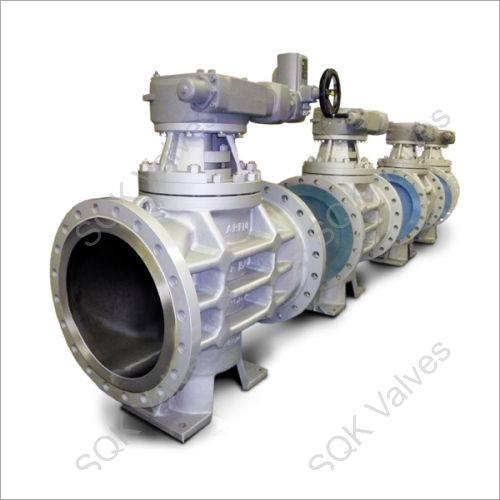
Tell us about your requirement

Price:
Quantity
Select Unit
- 50
- 100
- 200
- 250
- 500
- 1000+
Additional detail
Mobile number
Email

More Products in Plug Valves By End Connection Category
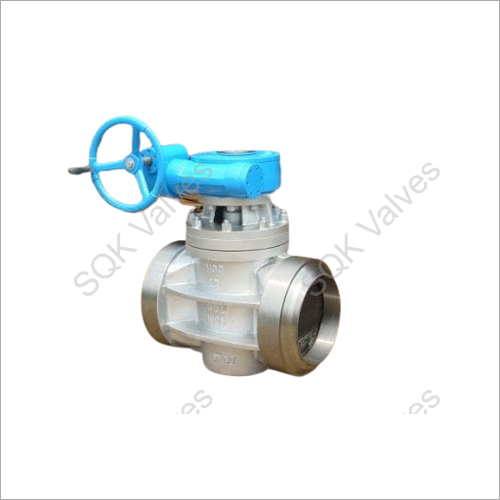
Buttweld Plug Valve
Price Range 5000.00 - 30000.00 INR / Unit
Minimum Order Quantity : 5 Units
Power Mode : Manual
Media : Other, Oil, Gas, Water, Chemicals
Size : to 6
Sealing : PTFE, Metal Seated
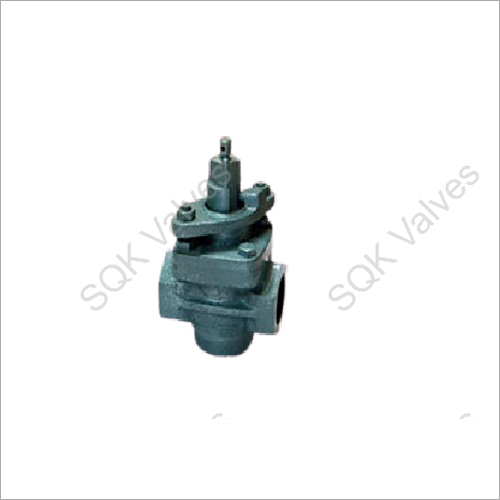
Screwed End Plug Valve
Price Range 5000.00 - 30000.00 INR / Unit
Minimum Order Quantity : 5 Units
Power Mode : Manual
Media : Other, Water, Gas, Oil
Size : 15 mm to 100 mm
Sealing : PTFE, Elastomer

 Send Inquiry
Our Products
- Globe Valve
- Globe Valve By Construction
- Globe Valve By End Connection
- Globe Valves By Design
- Globe Valves By Materials
- Globe Valves
- Plug Valves
- Plug Valves By Construction
- Plug Valves By End Connection
- Plug Valve By Design
- Plug Valves By Materials
- Plug Valve By Class
- Ball Valve
- Ball Valves
- Ball Valves By End Connection
- Ball Valves
- Ball Valves By Material
- Ball Valve By Class - Pressure Rating
- Gate Valve
- Gate Valves By Construction
- Gate Valves By End Connection
- Gate Valves By Design
- Gate Valves By Materials
- Gate Valves By Class
- Piston Valve
- Check Valve
- Swing Check Valves By Construction
- Swing Check Valves By End Connection
- Swing Check Valves By Design
- Swing Check Valves By Materials
- Swing Check Valves By Class
- Piston Valves By Construction
- Piston Valves By End Connection
- Piston Valve By Design
- Piston Valves By Materials
- Piston Valve By Class


Plot No. 46 & 49, Survey No. 62/1, Behind New Ekta Weighing Bridge, Panvel Road, Dahisar Mori, near Taloja MIDC,Navi Mumbai - 400612, Maharashtra, India

Mr Saquib Khan
(Director )
Mobile :08045811849
 Send Inquiry
 Send SMS
Developed and Managed by Infocom Network Private Limited.
 English
 Spanish
 French
 German
 Italian
 Chinese (Simplified)
 Japanese
 Korean
 Arabic
 Portuguese