
Call us now :08045811849
 Send Inquiry
 Send Inquiry
Extended Stem Ball Valve
MOQ : 5 Units
Extended Stem Ball Valve Specification
- Channels
- 2-way
- Caliber
- Full Bore
- Pressure
- 150-600 Class
- Connection
- Flanged / Screwed / Socket Weld
- Structure
- Ball Valve with Extended Stem
- Material
- Stainless Steel / Carbon Steel
- Power
- Manual
- Media
- Water, Oil, Gas
- Temperature of Media
- -29C to 180C
- Port Size
- 1/2 to 12
- Flange
- ANSI, DIN, JIS Standard
- Finish
- Polished
- Application
- Underground / Insulated Pipeline, Cryogenic Service, Chemical Industry, Petrochemical Plants
- Design Standard
- API 6D, BS 5351
- Sealing Type
- PTFE / Graphite
- Stem Extension Length
- Customizable as per project requirements
- Body Material
- ASTM A216 WCB / ASTM A351 CF8 / CF8M
- Locking Device
- Optional
- End Connection
- Butt Weld / Threaded / Flanged
- Leakage Rate
- Zero Leakage (Bubble Tight)
- Anti-static Device
- Provided
- Mounting
- Vertical / Horizontal
- Fire Safe Design
- Available
- Body Type
- One-Piece / Two-Piece / Three-Piece
- Operation
- Lever or Gear Operated
Extended Stem Ball Valve Trade Information
- Minimum Order Quantity
- 5 Units
- Supply Ability
- 200 Units Per Month
- Delivery Time
- 7 Days
About Extended Stem Ball Valve
Extended Stem Ball Valve
Size | 2" to 56" (50 mm to 1400 mm) |
ASME Class | Class 150 to 2500 |
Design Standard | API 6D |
Main Feature :
· Trunnion-mounted Ball Valve design complies to API 6D
· Wide portfolio of Side-entry and Top-entry designs
· Fugitive emissions
· Soft and Metal seated valves complies to ISO 15848-1, Class AH and BH
· Fire safe design - to API 607 and API 6FACE Marking
· Meets requirements of Pressure Equipment Directive 2014/68/EU,
· Pneumatic shell test conducted at 1.1 times rated pressure to check shell integrity, when required · Double block and bleed (DBB) feature
· Valves are designed and tested for automatic cavity relief
· Anti-blowout stem design
· Coil springs used for consistent seat loading and lower operating torque
· Lip seals provided for low temperature services
· Primary O ring and Secondary graphite (in 3 stage stem, thrust washer is primary)
· Wide portfolio of Side-entry and Top-entry designs
· Options: Buried service, Cryogenic
· Offered with Electric, Pneumatic and Hydraulic Actuators
· In-house Tests Capabilities
Versatile Design for Diverse Applications
Built to meet various industrial demands, our Extended Stem Ball Valves support installation in vertical or horizontal orientations and excel in underground, insulated, and cryogenic pipeline operations. Full bore structure ensures unobstructed flow, and adaptability to ANSI, DIN, or JIS flange standards allows seamless integration across global projects. Each valve is crafted with attention to durability and corrosion resistance.
Reliable Performance with Advanced Safety Features
Fire-safe construction and anti-static devices are standard, providing enhanced protection in high-temperature or hazardous environments. Zero leakage (bubble tight) is achieved with PTFE or graphite sealing, mitigating operational risks and maintenance costs. Locking devices can be selected for added security, ensuring valve position remains fixed during critical processes.
Customization for Project-specific Needs
Our valves offer customizable stem extension lengths to accommodate unique site requirements, including deep insulation or underground placement. Choose from a selection of body types, materials, and end connections to align with project scope and media requirements, guaranteeing a perfect fit and robust operation every time.
FAQ's of Extended Stem Ball Valve:
Q: How can the stem extension length of the Extended Stem Ball Valve be adapted for specific project requirements?
A: The stem extension length is fully customizable during the manufacturing process to suit distinct installation challenges, such as deep insulation, underground placement, or remote operation. Specify your required extension, and we tailor each valve to meet those exact dimensions for optimum accessibility and operability.Q: What benefits does the zero leakage (bubble tight) design provide?
A: Zero leakage ensures absolute sealing integrity, preventing media escape and reducing environmental or asset loss. This superior sealing, achieved with PTFE or graphite, lowers maintenance frequency, enhances safety and protects system reliability, especially valuable in critical water, oil, or gas applications.Q: Where are Extended Stem Ball Valves typically used, and what media are compatible?
A: These valves are widely employed in underground pipelines, insulated conveyance systems, cryogenic service, chemical industries, and petrochemical plants. They handle water, oil, and gas within a temperature range of -29C to 180C, making them ideal for versatile industrial environments.Q: What is the process for selecting the suitable body material and connection type?
A: Selection depends on the project's media, pressure, temperature, and required durability. We offer ASTM A216 WCB for carbon steel applications and ASTM A351 CF8/CF8M for stainless steel environments. End connections can be chosen from flanged, threaded, or socket weld types, all adhering to ANSI, DIN, or JIS standards for global compatibility.Q: How does the anti-static device and fire-safe design increase operational safety?
A: The anti-static device dissipates static electricity generated by fluid motion, reducing the risk of ignition or explosion. Fire-safe design ensures valve functionality is maintained during fire exposure, providing critical safety and compliance with industrial standards like API 6D and BS 5351.Q: When should a locking device be added to the valve configuration?
A: A locking device is recommended when fixed valve positioning is needed, such as in hazardous or high-security environments, to prevent unauthorized operation or accidental movement during system maintenance or emergency situations.Q: What advantages does full bore structure offer in this ball valve?
A: Full bore construction minimizes flow restriction and pressure drop, enabling maximum efficiency for process control. It permits pigging operations and reduces turbulence, which results in improved pipeline longevity and reduced operational costs.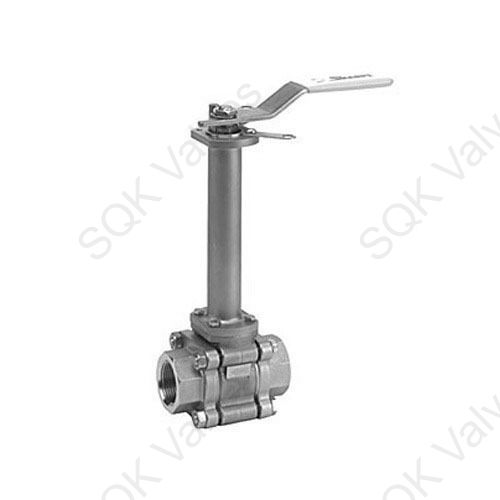
Tell us about your requirement

Price:
Quantity
Select Unit
- 50
- 100
- 200
- 250
- 500
- 1000+
Additional detail
Mobile number
Email

More Products in Ball Valves Category
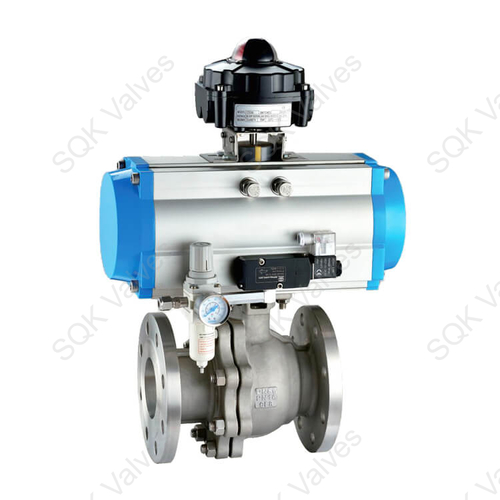
On Off Ball Valve
Price Range 5000.00 - 30000.00 INR / Unit
Minimum Order Quantity : 5 Units
Finish : Polished
Flange : No Flange
Pressure : Medium Pressure
Caliber : Standard
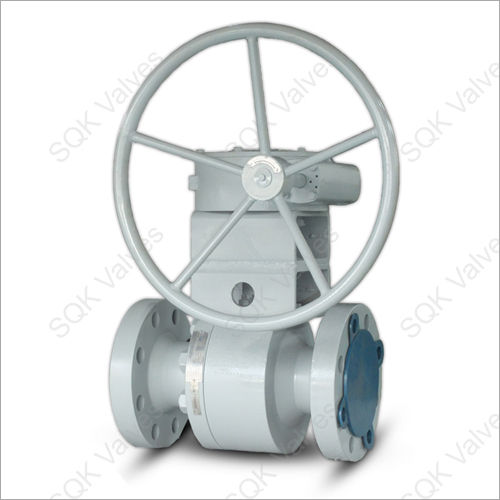
Metal Seated Ball Valve
Price Range 5000.00 - 30000.00 INR / Unit
Minimum Order Quantity : 5 Units
Finish : Metallic / Powder Coated
Flange : ANSI, DIN, JIS Standard Flanges
Pressure : Other, Up to 2500 PSI
Caliber : Full or Reduced Bore
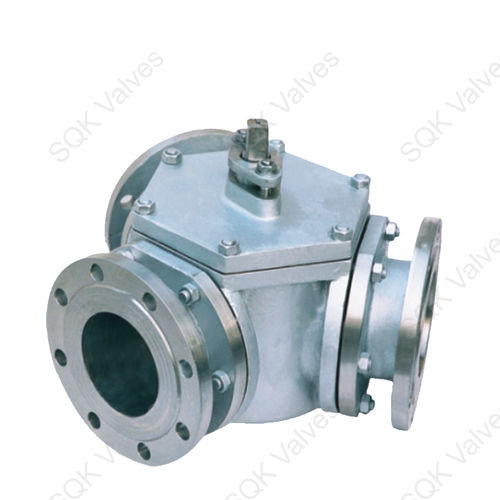
SQK 90 Degree Ball Valve
Price Range 5000.00 - 30000.00 INR / Unit
Minimum Order Quantity : 5 Units
Finish : Smooth
Flange : No
Pressure : Other, PN16
Caliber : Full Bore
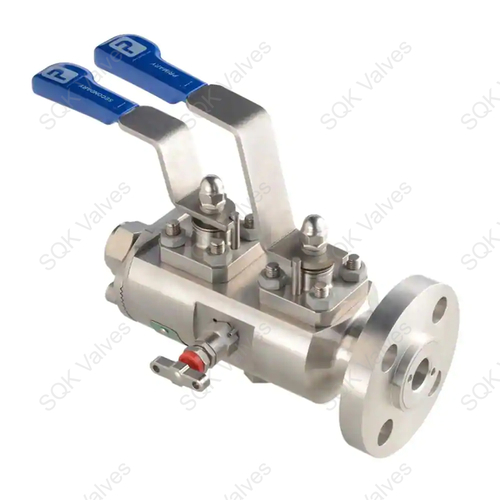
Double Block Bleed Valve (DBB)
Price Range 5000.00 - 30000.00 INR / Unit
Minimum Order Quantity : 5 Units
Finish : Polished / Coated
Flange : ANSI, DIN, JIS, Custom
Pressure : Other, Class 150 Class 2500
Caliber : Full Bore / Reduced Bore

 Send Inquiry
Our Products
- Globe Valve
- Globe Valve By Construction
- Globe Valve By End Connection
- Globe Valves By Design
- Globe Valves By Materials
- Globe Valves
- Plug Valves
- Plug Valves By Construction
- Plug Valves By End Connection
- Plug Valve By Design
- Plug Valves By Materials
- Plug Valve By Class
- Ball Valve
- Ball Valves
- Ball Valves By End Connection
- Ball Valves
- Ball Valves By Material
- Ball Valve By Class - Pressure Rating
- Gate Valve
- Gate Valves By Construction
- Gate Valves By End Connection
- Gate Valves By Design
- Gate Valves By Materials
- Gate Valves By Class
- Piston Valve
- Check Valve
- Swing Check Valves By Construction
- Swing Check Valves By End Connection
- Swing Check Valves By Design
- Swing Check Valves By Materials
- Swing Check Valves By Class
- Piston Valves By Construction
- Piston Valves By End Connection
- Piston Valve By Design
- Piston Valves By Materials
- Piston Valve By Class


Plot No. 46 & 49, Survey No. 62/1, Behind New Ekta Weighing Bridge, Panvel Road, Dahisar Mori, near Taloja MIDC,Navi Mumbai - 400612, Maharashtra, India

Mr Saquib Khan
(Director )
Mobile :08045811849
 Send Inquiry
 Send SMS
Developed and Managed by Infocom Network Private Limited.
 English
 Spanish
 French
 German
 Italian
 Chinese (Simplified)
 Japanese
 Korean
 Arabic
 Portuguese