
Call us now :08045811849
 Send Inquiry
 Send Inquiry
Trunnion Mounted Ball Valve
MOQ : 01 Unit
Trunnion Mounted Ball Valve Specification
- Pressure
- Class 150 to 2500
- Structure
- Trunnion Mounted Ball Valve
- Channels
- 2 Way
- Caliber
- DN50 to DN1200
- Connection
- Flanged, Butt Weld, Socket Weld
- Material
- Forged Carbon Steel (ASTM A105), Stainless Steel (ASTM A182 F316)
- Power
- Manual, Pneumatic, Electric
- Media
- Water, Oil, Gas, Chemical
- Temperature of Media
- -29C to 200C (Standard); up to 425C (High Temperature Variant)
- Port Size
- 2 Inch to 48 Inch
- Flange
- ANSI B16.5, DIN, JIS Standard
- Finish
- Anti-corrosive Epoxy Coated
- Application
- Petrochemical, Oil & Gas, Power Plants, Water Treatment, Chemical Industry
- Leakage Class
- ANSI FCI 70-2 Class VI
- Seal Type
- O-ring, Grafoil
- Face to Face Dimensions
- ASME B16.10
- Inspection Certificate
- EN 10204 3.1
- Stem Material
- Stainless Steel
- Double Block & Bleed
- Optional
- Design Standard
- API 6D, BS5351, ISO 17292
- Fire Safe Feature
- Yes, as per API 607
- Anti-static Device
- Provided
- Operation Type
- Lever, Gear, Actuator
- Testing Standard
- API 598, ISO 5208
- Body Material
- Forged Steel, Stainless Steel
- Valve Type
- Full Bore & Reduced Bore
- Seat Material
- Soft Seat: PTFE, Hard Seat: Metal
- Blow-out Proof Stem
- Yes
- End Connection
- Flanged, BW, SW
Trunnion Mounted Ball Valve Trade Information
- Minimum Order Quantity
- 01 Unit
- Payment Terms
- Cash Against Delivery (CAD), Cash on Delivery (COD), Telegraphic Transfer (T/T), Paypal, Cash Advance (CA), Delivery Point (DP), Cash in Advance (CID), Cheque
- Supply Ability
- 500 Units Per Month
- Delivery Time
- 7 Days
- Main Export Market(s)
- Western Europe, Central America, Australia, North America, South America, Middle East, Africa, Eastern Europe, Asia
- Main Domestic Market
- All India
- Certifications
- ISO 9001: 2015
About Trunnion Mounted Ball Valve
Trunnion ball valves are quarter-turn valves used to stop or start the flow of a media in a pipe. The most common type of ball valve has a free floating design, so the trunnion type is a design change. Within a trunnion ball valve the ball connects to the stem on one end and on the other end a shaft called the trunnion. Due to this design change, the ball is held firmly in place.
Advanced Design for Reliable Operation
Trunnion mounted ball valves are engineered for robust performance, featuring a fixed ball held by trunnions. This design minimizes torque and wear, enabling smooth movement even at high pressures. Whether you choose lever, gear, or actuator operation, these valves ensure reliable sealing for media ranging from water to chemicals, thanks to advanced soft (PTFE) or hard (metal) seat options. Their face-to-face dimensions comply with ASME B16.10, ensuring compatibility and easy installation.
Compliance and Safety Features
Every valve meets or exceeds stringent global standards including API 6D, BS5351, ISO 17292, and API 607 for fire safety. With API 598 and ISO 5208 testing protocols, users are assured of zero leakage and superior reliability. The inclusion of anti-static devices, blow-out proof stems, and optional double block & bleed setup increases safety for hazardous applications. Inspection certificates per EN 10204 3.1 guarantee full traceability for project assurance.
FAQ's of Trunnion Mounted Ball Valve:
Q: How is a trunnion mounted ball valve operated and what options are available?
A: Trunnion mounted ball valves can be operated manually via lever or gear, or automatically using pneumatic or electric actuators. Choice of operation depends on system requirement, size, and degree of automation needed.Q: What standards and certifications do these ball valves conform to?
A: These valves are designed and tested in accordance with API 6D, BS5351, ISO 17292, API 598, ISO 5208, and feature fire-safe designs per API 607. Inspection certificates in EN 10204 3.1 are provided to ensure quality and compliance.Q: Where are trunnion mounted ball valves typically used?
A: They are widely employed in industries like petrochemical, oil & gas, power plants, water treatment, and chemical processing, handling media such as water, oil, gas, and chemicals across varied pressures and temperatures.Q: What is the process for ensuring valve reliability and leak-tight performance?
A: Each valve undergoes rigorous hydrostatic and leakage testing per API 598 and ISO 5208 to verify integrity and seat sealing. Fire-safe testing as per API 607 confirms operational safety even under fire conditions.Q: When should I choose full bore versus reduced bore valve type?
A: Full bore valves offer unobstructed flow, ideal for pigging and minimizing pressure drop. Reduced bore valves are suitable for applications where flow rate reduction or cost efficiency is prioritized.Q: What are the benefits of using forged steel or stainless steel body materials?
A: Forged steel and stainless steel provide excellent mechanical strength, corrosion resistance, and durability, essential for high-pressure, high-temperature, or corrosive media applications, offering prolonged service life.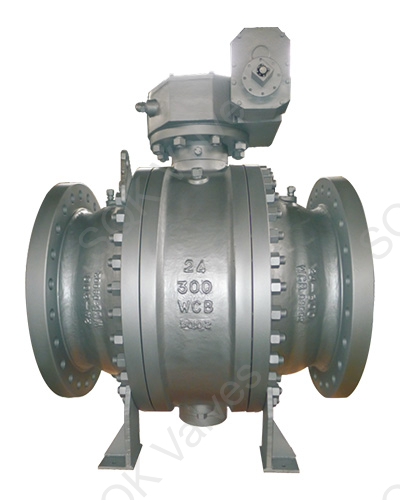
Tell us about your requirement

Price:
Quantity
Select Unit
- 50
- 100
- 200
- 250
- 500
- 1000+
Additional detail
Mobile number
Email


 Send Inquiry
Our Products
- Globe Valve
- Globe Valve By Construction
- Globe Valve By End Connection
- Globe Valves By Design
- Globe Valves By Materials
- Globe Valves
- Plug Valves
- Plug Valves By Construction
- Plug Valves By End Connection
- Plug Valve By Design
- Plug Valves By Materials
- Plug Valve By Class
- Ball Valve
- Ball Valves
- Ball Valves By End Connection
- Ball Valves
- Ball Valves By Material
- Ball Valve By Class - Pressure Rating
- Gate Valve
- Gate Valves By Construction
- Gate Valves By End Connection
- Gate Valves By Design
- Gate Valves By Materials
- Gate Valves By Class
- Piston Valve
- Check Valve
- Swing Check Valves By Construction
- Swing Check Valves By End Connection
- Swing Check Valves By Design
- Swing Check Valves By Materials
- Swing Check Valves By Class
- Piston Valves By Construction
- Piston Valves By End Connection
- Piston Valve By Design
- Piston Valves By Materials
- Piston Valve By Class


Plot No. 46 & 49, Survey No. 62/1, Behind New Ekta Weighing Bridge, Panvel Road, Dahisar Mori, near Taloja MIDC,Navi Mumbai - 400612, Maharashtra, India

Mr Saquib Khan
(Director )
Mobile :08045811849
 Send Inquiry
 Send SMS
Developed and Managed by Infocom Network Private Limited.
 English
 Spanish
 French
 German
 Italian
 Chinese (Simplified)
 Japanese
 Korean
 Arabic
 Portuguese