
Call us now :08045811849
 Send Inquiry
 Send Inquiry
API 599 Plug Valve
MOQ : 5 Units
API 599 Plug Valve Specification
- Connection
- Flanged, Butt Welded, Socket Welded, or Screwed
- Sealing
- PTFE, Graphite, or Metal-to-Metal
- Application
- Oil & Gas, Petrochemical, Power Plants, Refineries
- Size
- 1/2 Inch to 24 Inch
- Material
- Carbon Steel, Stainless Steel, or Alloy Steel
- Valve Structure
- Pressure Balanced Lubricated Plug Type
- Media
- Oil, Gas, Water, Steam, and Petrochemicals
- Temperature of Media
- -29C to 425C
- Weight
- Varies by size (Approx. 10 kg to 200 kg)
- Dimension (L*W*H)
- As per API 599 standard or customer order
- Power Mode
- Manual or Gear Operated
- Pressure Rating
- Class 150 to 2500
- Face to Face Dimension
- ASME B16.10
- Fire Safe Design
- Available as per API 607
- Anti Blowout Stem
- Provided
- Testing Standard
- API 598
- Bonnet Type
- Bolted or Pressure Seal
- Port Type
- Full Port or Regular Port
- End Connection Standard
- ASME B16.5
- Body Coating
- Rust Preventive or Epoxy Painted
- Design Feature
- Non-Lubricated or Lubricated Plug
- Operation Type
- Lever, Gear, or Actuator
- Corrosion Resistance
- High due to selected materials
API 599 Plug Valve Trade Information
- Minimum Order Quantity
- 5 Units
- Supply Ability
- 200 Units Per Month
- Delivery Time
- 7 Days
About API 599 Plug Valve
Specification | Details |
Design Standard | API 6D / API 599 |
Pressure/Temperature Char | ASME B16.34 |
Face to face Dimension | API 6D / ASME B16.10 |
Testing Standard | API 6D / API 598 |
Flange Details | ASME B16.5 UP TO 24 ASME B16.47 ABOVE 24 |
Size Range | 2 36 (DN50 DN900) |
ASME Class | 150 2500 |
Materials | WCB / LCB / LCC / CF8M / CF8 / CF3M |
Trims | F6a / F316 / F304 / F316L / F51 |
Seats | Metallic |
Ends | Flanged / Butt-weld End |
Pressure balance lubricated plug valves are metal seated valves providing a tight shut off ( 0 leakage ) sealing, valves shall be regularly lubricated along with their operation by injection of suitable grease. Due to no body cavity and as well as a simple & tough design, they are highly recommended for any critical Full P operation and for handling any media with an high % of solids contents, further more they provide an excellent resistance to abrasion, they are free from routine maintenance, providing a long service life.
Product variance:
PRESSURE BALANCED FULL BORE LUBRICATED PLUG VALVES API 6D
PRESSURE BALANCED DB & B LUBRICATED PLUG VALVES API 6D
LUBRICATED PLUG VALVES STANDARD TYPE API 6D - 2 WAYS, 3 & 4 WAYS MULTIPORT
DUAL SEAL PLUG VALVES DB&B API 6D
PLUG VALVES TWO WAY, TREE WAY AND FULLY JACKETED
Production Range:
API6D ASME/ANSI 150 up to 2500 Lb
DN 1/2 to 48 Class: up to 600
DN 1/2 to 36 Class: up to 900
DN 1/2 to 24 Class: up to 150
Engineered for Durability and Versatility
This API 599 Plug Valve is designed for high performance across a variety of demanding applications. Anti-blowout stem construction, fire-safe design (API 607), and robust corrosion resistance are all standard. Options for sealing include PTFE, graphite, or metal-to-metal, ensuring suitability for a broad range of process media and temperatures (-29C to 425C). Suitably coated bodies provide enhanced protection in challenging environments.
Flexible Operations and Configurations
Choose from lever, gear, or actuator operation and select your preferred end connection: flanged, butt welded, socket welded, or screwed. Full or regular port types ensure the right flow control for your process. Bonnet types include both bolted and pressure seal, providing security and adaptability for a variety of operational needs. Sizes range from 1/2 inch to 24 inches, with power modes from manual to gear operated.
FAQ's of API 599 Plug Valve:
Q: How is the API 599 Plug Valve typically operated?
A: The API 599 Plug Valve can be operated manually using a lever or by gear mechanism and can also be fitted with actuators for automated control, depending on the process requirements and installation conditions.Q: What types of sealing configurations are available for these valves?
A: Sealing options for this plug valve include PTFE, graphite, and metal-to-metal, allowing for compatibility with various media and temperature ranges typically encountered in oil, gas, and petrochemical processes.Q: When should I choose a lubricated versus a non-lubricated plug valve design?
A: Lubricated plug valves are recommended for harsher or more abrasive service conditions, providing easier operation and longer lifespan. Non-lubricated designs minimize maintenance and are suitable for clean or less demanding applications.Q: Where can the API 599 Plug Valve be installed?
A: These valves are widely used in oil & gas installations, refineries, power plants, petrochemical facilities, and similar environments, thanks to their robust construction and high corrosion resistance.Q: What is the process for ensuring valve quality and safety?
A: Each valve is manufactured in compliance with ASME and API 599 standards, dimensioned as per ASME B16.10, and tested rigorously to API 598 requirements. Fire safe configurations are available per API 607.Q: How does the API 599 Plug Valve benefit the end user?
A: The valve offers high durability, corrosion resistance, and customizable operation, making it suitable for rigorous industrial environments. Its design reduces maintenance while ensuring safe, leak-free operation even under severe service conditions.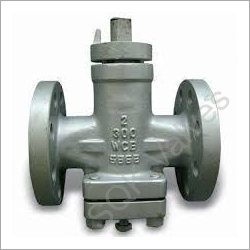
Tell us about your requirement

Price:
Quantity
Select Unit
- 50
- 100
- 200
- 250
- 500
- 1000+
Additional detail
Mobile number
Email

More Products in Plug Valve By Design Category
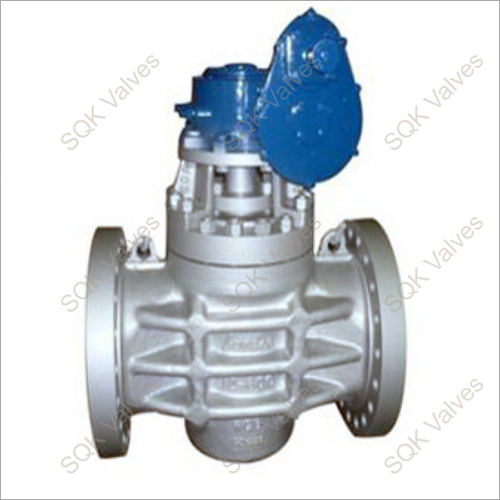
API 6D Plug Valve
Price Range 5000.00 - 30000.00 INR / Unit
Minimum Order Quantity : 5 Units
Connection : Other, Flanged, Butt Weld
Media : Other, Oil, Gas, Water
Valve Structure : Other, Expanding Plug Type
Material : Other , Carbon Steel, Stainless Steel

 Send Inquiry
Our Products
- Globe Valve
- Globe Valve By Construction
- Globe Valve By End Connection
- Globe Valves By Design
- Globe Valves By Materials
- Globe Valves
- Plug Valves
- Plug Valves By Construction
- Plug Valves By End Connection
- Plug Valve By Design
- Plug Valves By Materials
- Plug Valve By Class
- Ball Valve
- Ball Valves
- Ball Valves By End Connection
- Ball Valves
- Ball Valves By Material
- Ball Valve By Class - Pressure Rating
- Gate Valve
- Gate Valves By Construction
- Gate Valves By End Connection
- Gate Valves By Design
- Gate Valves By Materials
- Gate Valves By Class
- Piston Valve
- Check Valve
- Swing Check Valves By Construction
- Swing Check Valves By End Connection
- Swing Check Valves By Design
- Swing Check Valves By Materials
- Swing Check Valves By Class
- Piston Valves By Construction
- Piston Valves By End Connection
- Piston Valve By Design
- Piston Valves By Materials
- Piston Valve By Class


Plot No. 46 & 49, Survey No. 62/1, Behind New Ekta Weighing Bridge, Panvel Road, Dahisar Mori, near Taloja MIDC,Navi Mumbai - 400612, Maharashtra, India

Mr Saquib Khan
(Director )
Mobile :08045811849
 Send Inquiry
 Send SMS
 Call Me Free
Developed and Managed by Infocom Network Private Limited.
 English
 Spanish
 French
 German
 Italian
 Chinese (Simplified)
 Japanese
 Korean
 Arabic
 Portuguese